For the Vegetable Garden
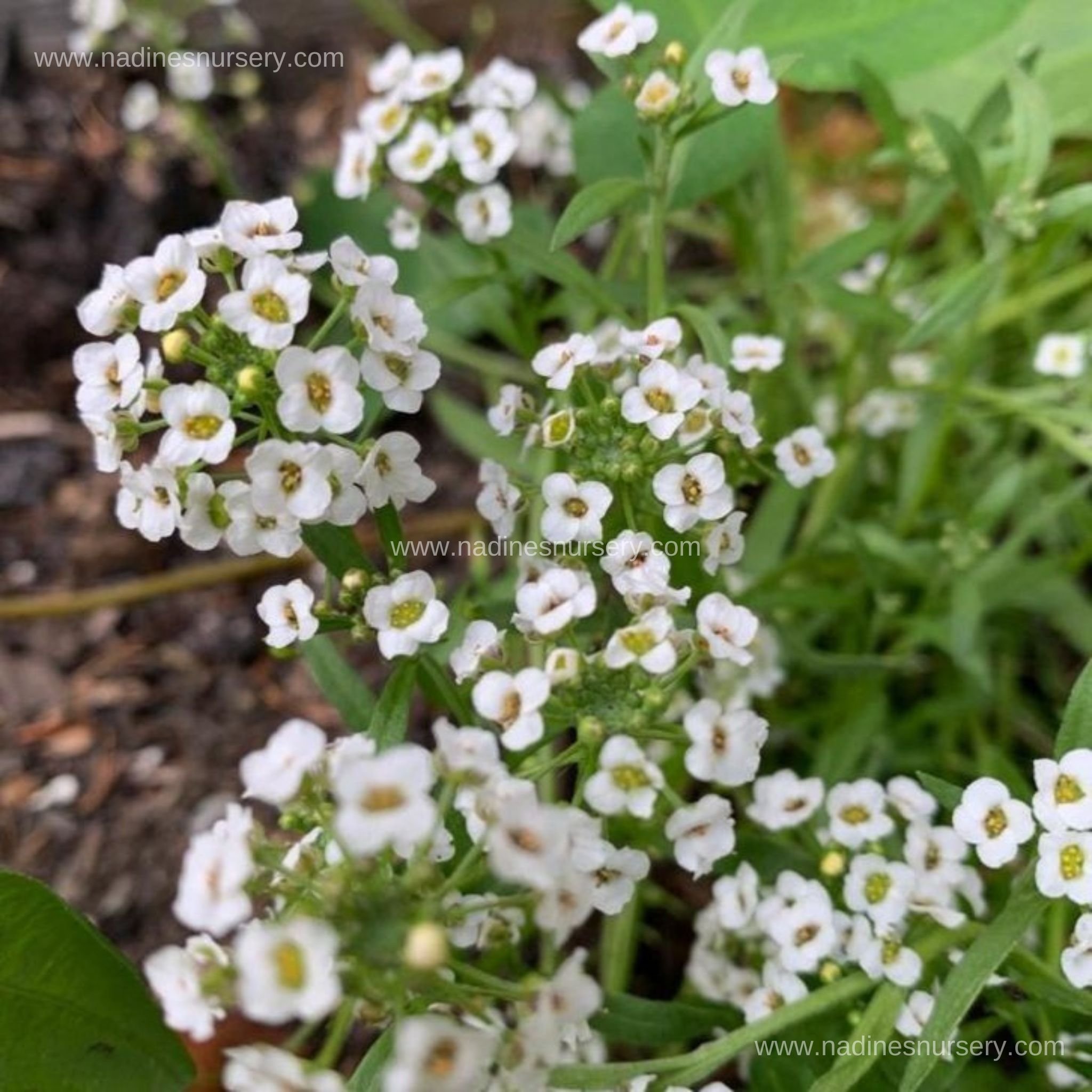
Annual. A classic variety of this popular annual - and one of my personal favourites. A true workhorse, ‘Carpet of Snow’ is one of the most versatile plants in the garden. As an ornamental, it can be tucked into the corners of raised beds, blanket the edge of a border bed, or drape gracefully over the sides of a mixed container. As a vegetable companion, its lovely, sweet fragrance attracts an abundance of pollinators and repels harmful insects. A low growth habit allows it to act as a living mulch. Both the leaves and flowers are edible, with a light peppery taste. Plants prefer moist, loamy soil, and providing a monthly dose of balanced fertilizer will be heartily rewarded.
Location: Front of border, Hanging basket, Mixed container, Vegetable garden
Bloom Period: June to October
Height: 6”, spreading to 12”
Plant Spacing: 5-8”

Annual. This variety comes in a cheerful combination of pastel shades from lavender and pink to white. The plants stay tidy longer than other varieties, making them excellent for borders, and suitable for even small pots or hanging baskets. Their honey-sweet fragrance is a delight in the garden, and their small, clustered flowers are extremely attractive to pollinators. Plant in bunches to brighten up a bare patch, or tuck into the vegetable garden to add colour and draw the bees en masse. Plant in moist, well-draining soil and fertilize monthly.
Location: Front of border, Mixed container, Landscape planting
Bloom Period: June to October
Height: 4”, spreading to 12”
Plant Spacing: 10”
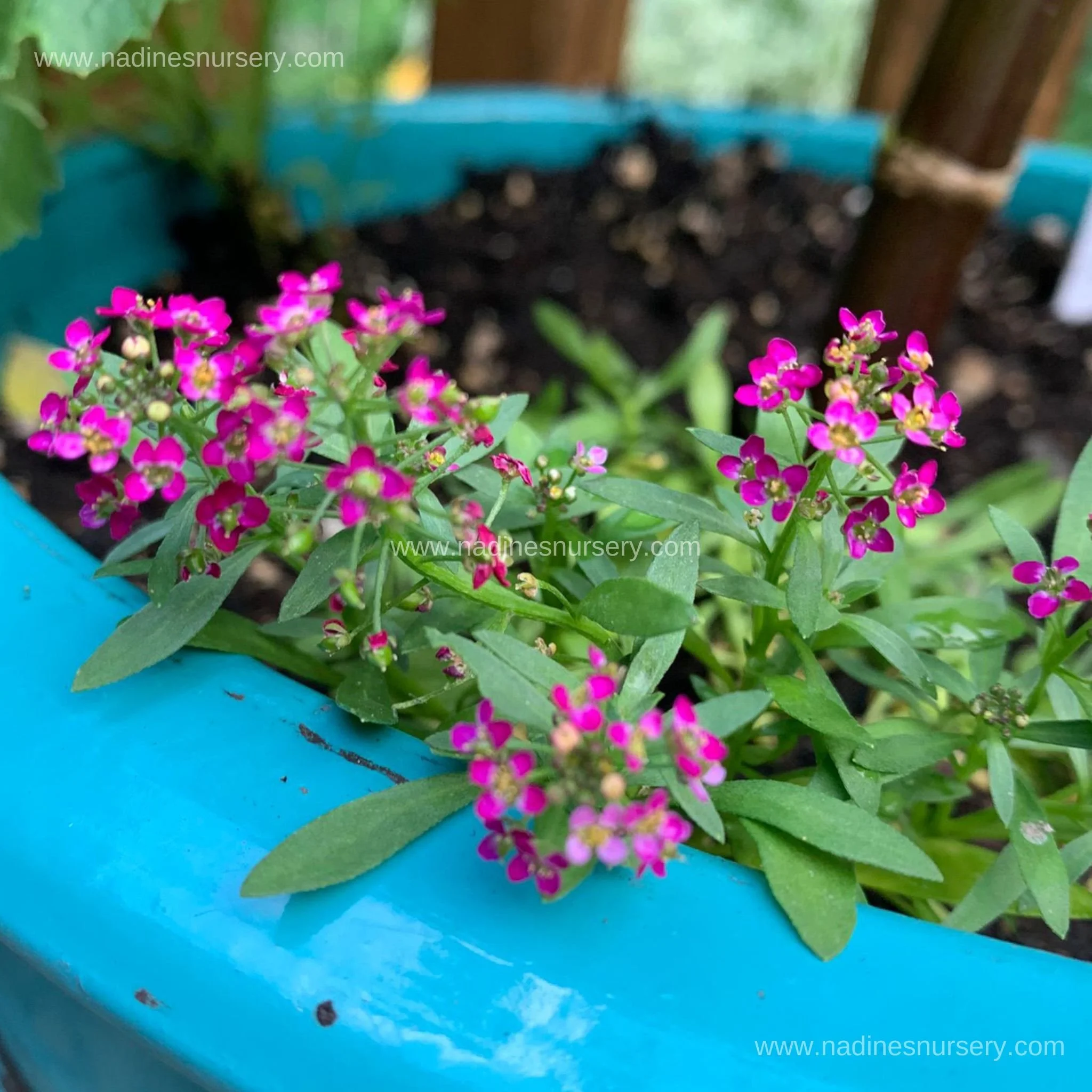
Annual. This delightful variety has mastered the art of balancing bold colour with delicate texture. ‘Wonderland’ alyssum are a compact variety that are easily tucked into a corner yearning for a burst of colour. As a hardy annual, they will often reseed themselves, without becoming invasive. They are perfect for a pollinator garden, easily attracting butterflies and bees with their fragrant, pink blooms. Plant in moist, well-draining soil and fertilize monthly.
Location: Mixed container, Butterfly garden, Vegetable garden
Bloom Period: June to October
Height: 4”, spreading to 10”
Plant Spacing: 6”
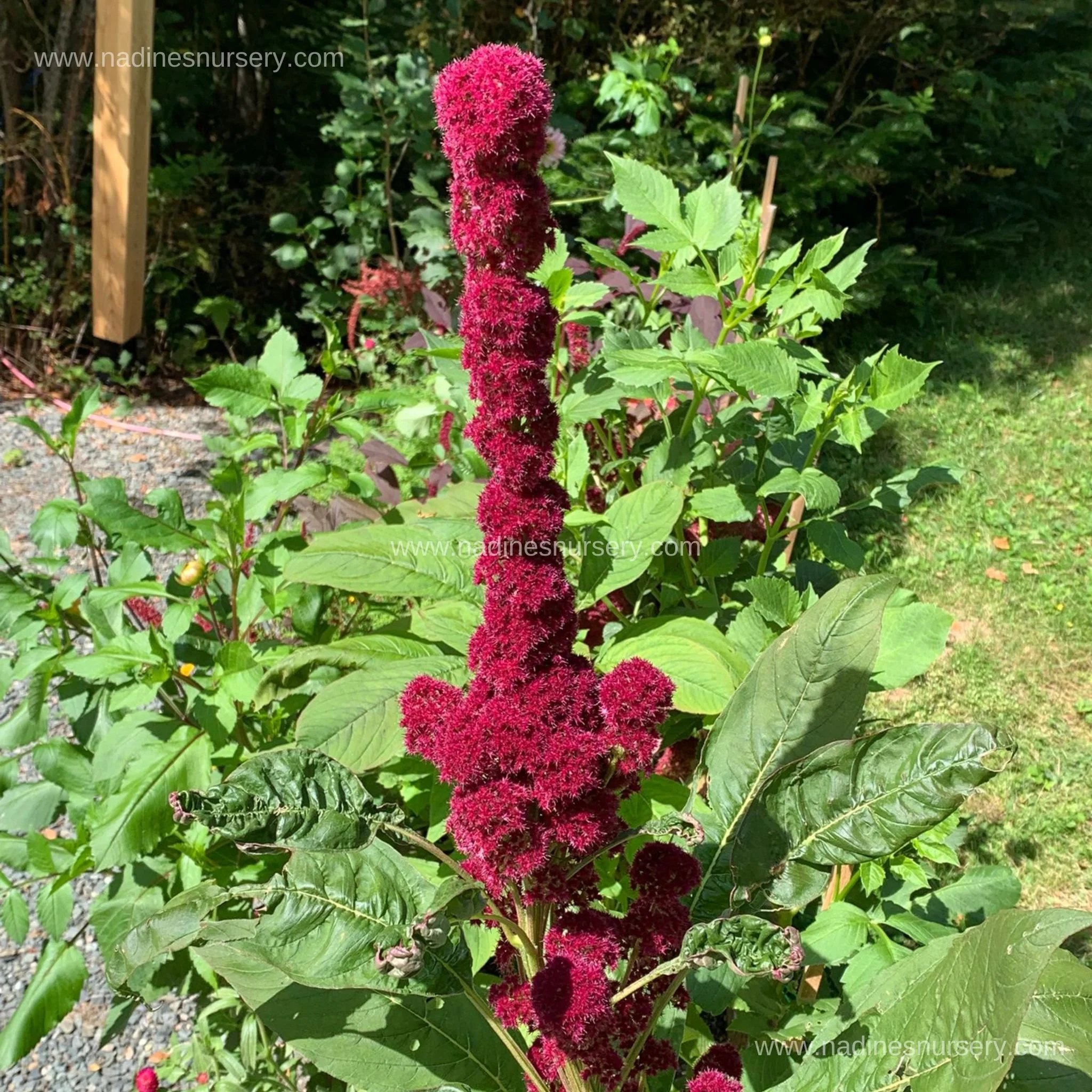
Annual. Dramtically weird and wonderful! Giant, deep burgundy flower heads resemble a trumpeting elephant. This one is sure to start a conversation in the garden. An excellent cut flower, it is ideal for late summer and fall arrangements. Plants are heat tolerant, huge, and easy to grow. Staking is recommended. They prefer moderately fertile soil, but will tolerate any soil type, provided it is well-draining.
Location: Rear border, Cut flower garden, Container
Bloom Period: July to October
Height: 4-6’
Plant Spacing: 9-12”
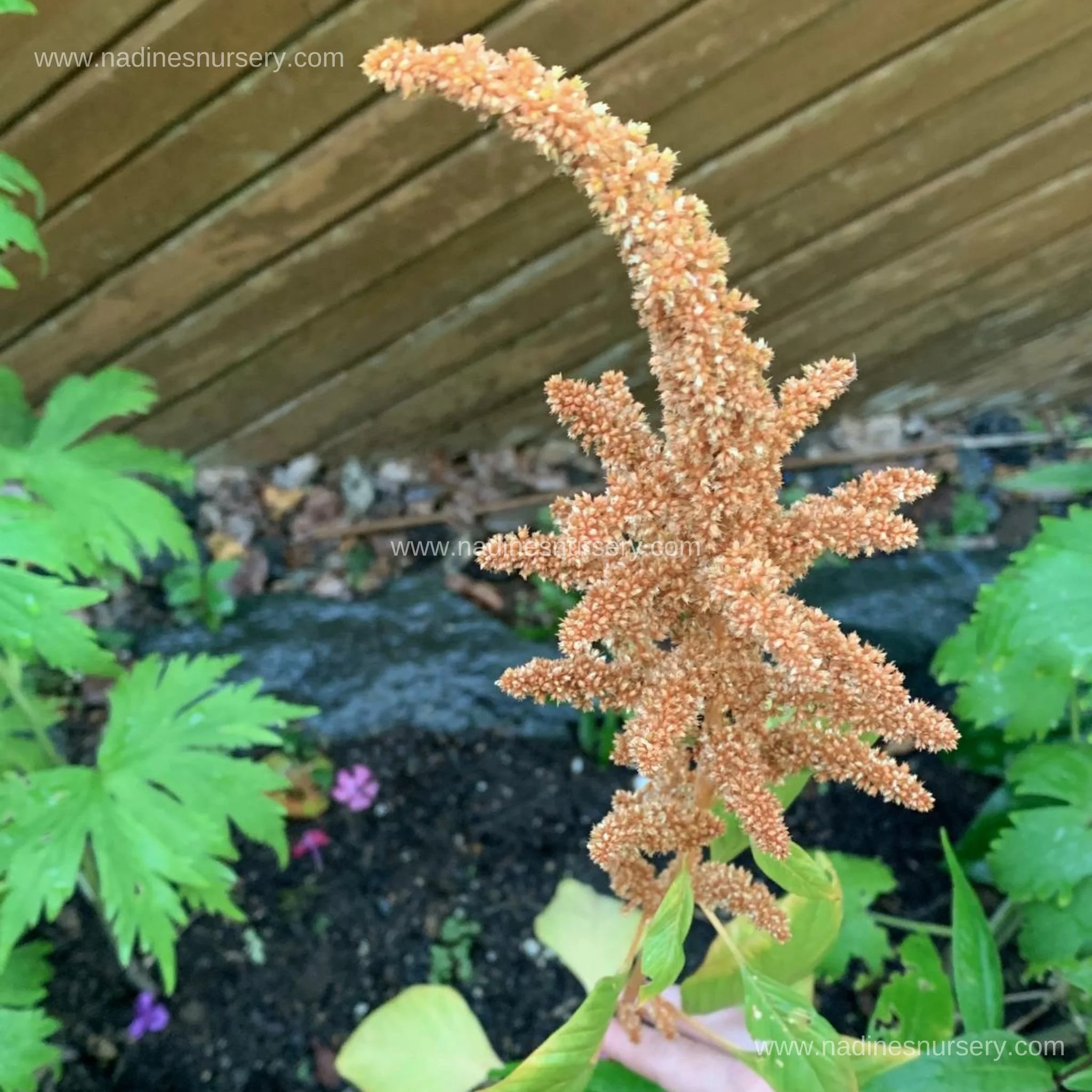
Annual. Tall, well-branched plants produce an abundance of bronze plumes. They bloom continuously from mid-summer to the first snowfall. An excellent cut flower, they are especially well-suited for fall bouquets. The plumes are easily dried and can also be used for crafts. Plants are tall, heat tolerant, and easy to grow. Staking is strongly recommended. They prefer moderately fertile soil, but will tolerate any soil type, provided it is well-draining.
Location: Rear border, Cut flower garden, Container
Bloom Period: July to October
Height: 3.5-4’
Plant Spacing: 12”

Annual. A dramatic show-stopper that lives up to it’s equally dramatic name! Weird, wonderful, and entirely enormous, this plant won my heart last season. The wine red tassels towered over the rest of my annual bed, blooming long after others had been killed off by frost. An old-fashioned heirloom, Love-Lies-Bleeding used to be a staple in Victorian gardens. Their blooms attract pollinators, butterflies and hummingbirds. They make a terrific companion plant for eggplants, tomatoes, and other members of the nightshade family. A few branches will add a riveting element to a cut flower or dried arrangement. And this plant is edible! Young leaves can be harvested and used like spinach. The seeds are loaded with iron, calcium, and fiber, and when allowed to mature, can be dried, cooked and eaten like oatmeal, or in a risotto. Best of all, they are incredibly easy to grow! They thrive in poor to average soil, require little maintenance, and will withstand high summer heat. Ideal along a fence or trellis, they will also grow in containers, raised beds, or hanging baskets, where strong stems will support cascading tassels as they stretch 2.. 3.. 4 feet long!
Location: Rear border, Fence, Cottage garden, Showstopping container
Bloom Period: July to October
Height: 3-5’, spreading to 2’
Plant Spacing: 18-16”
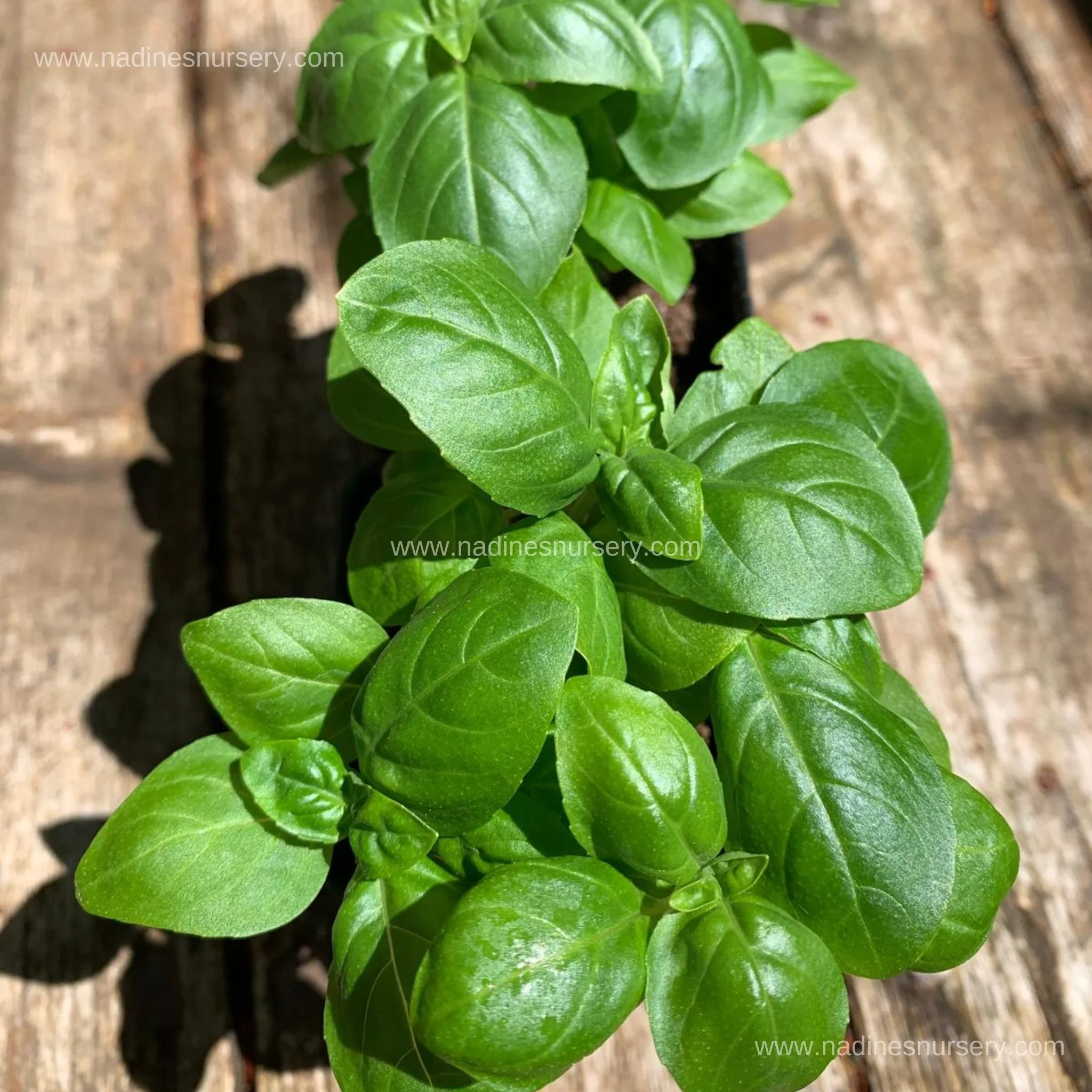
Annual. The best large-leaf variety to grow in containers. Leaves have a traditional Genovese flavour and plants will rapidly produce an abundant yield while maintaining a tidy, mounding growth habit.
Basil is one of the most popular herbs in the kitchen and for good reason! Whip up some fresh pesto, add to your favourite pasta dish, or use full leaves to top pizza. In the garden, it is a great companion to members of the nightshade family; plant next to peppers and tomatoes to improve their flavour and repel harmful insects. Many varieties will thrive in small to medium sized pots. They prefer moist, rich, well-draining soil, require regular watering and monthly fertilization. Protect plants from wind, heavy rains, and cold weather. Harvest frequently to encourage new growth. Preserve leaves by freezing or drying.
Harvest: Once a branch has 6-8 leaves, prune back to the 1st set. Always leave at least 1/3 of the plant intact.
Plant Height: 12-14”
Plant Spacing: 6-8” (potted), 8-12” (in-ground)
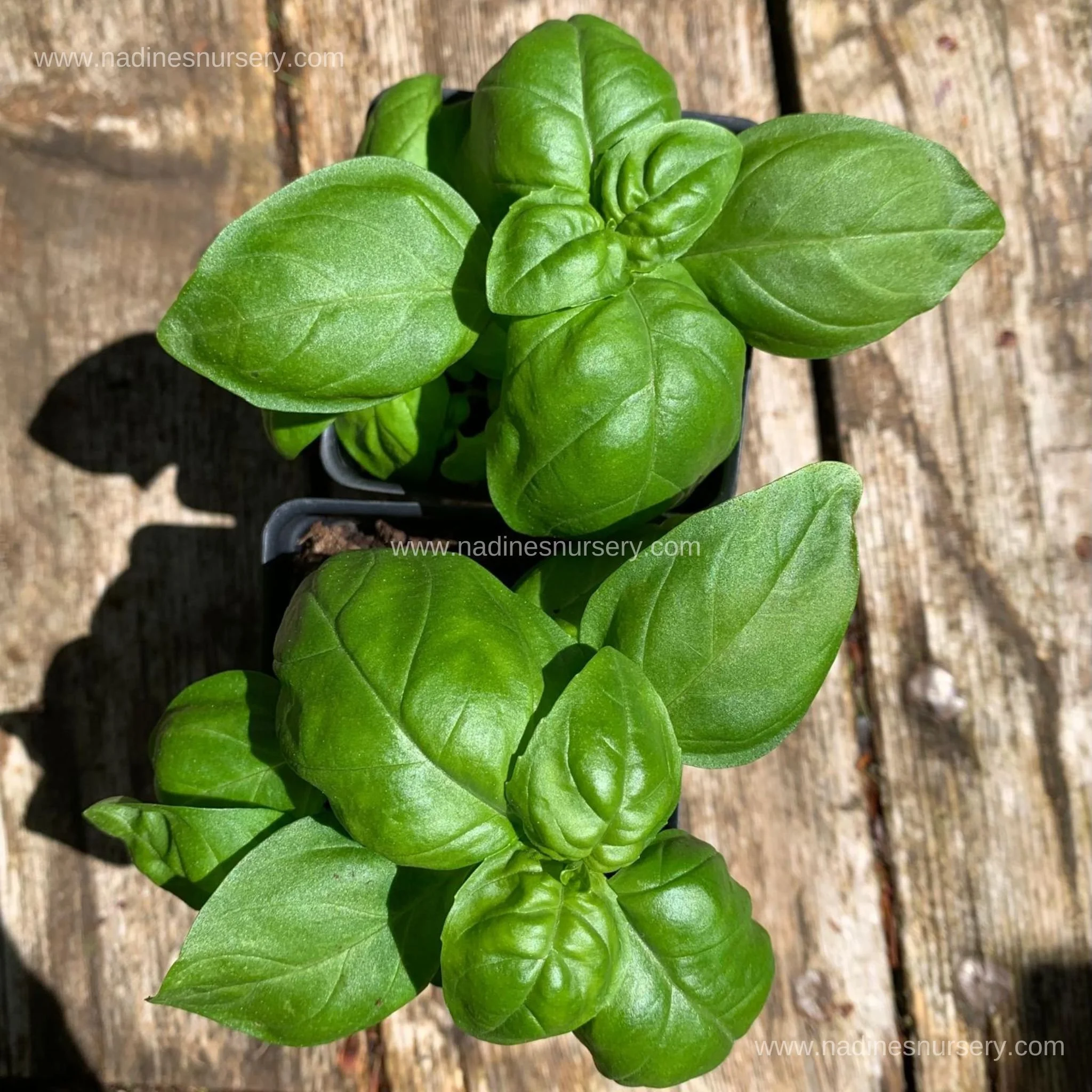
Annual. A superb container variety. Compact, bushy plants are very dense, with large leaves and a classic Italian basil aroma and flavour. They produce extremely high yields and will grow virtually anywhere.
Basil is one of the most popular herbs in the kitchen and for good reason! Whip up some fresh pesto, add to your favourite pasta dish, or use full leaves to top pizza. In the garden, it is a great companion to members of the nightshade family; plant next to peppers and tomatoes to improve their flavour and repel harmful insects. Many varieties will thrive in small to medium sized pots. They prefer moist, rich, well-draining soil, require regular watering and monthly fertilization. Protect plants from wind, heavy rains, and cold weather. Harvest frequently to encourage new growth. Preserve leaves by freezing or drying.
Harvest: Once a branch has 6-8 leaves, prune back to the 1st set. Always leave at least 1/3 of the plant intact.
Plant Height: 12”
Plant Spacing: 6-8” (potted), 8-12” (in-ground)

Perennial. Unique, pagoda-style blooms are a heavy favourite for both people and pollinators! These flowers will leave you marveling at their complex beauty, colours and textures. As an added bonus - the bees go crazy for them, making them a staple for the vegetable garden. When dried, the leaves and flowers have great medicinal value. These are one of the toughest plants in the garden. During both flooding and drought conditions, they continue to thrive. They are deer-resistant and require little maintenance - ideal for the lazy gardener. Plant in hot, dry areas of the garden with slightly sandy soil.
Location: Mid-border, Vegetable companion, Wildflower garden
Bloom Period: August to September
Height: 2’, spreading to 3’
Plant Spacing: 12”

Annual. Your vegetable garden’s best friend! Borage is extremely attractive to bees, butterflies and other beneficial insects. Notably, it infuses calcium and potassium into the surrounding soil, making it a strong ally for squash, tomatoes, peppers, and eggplants, as this influx of nutrients helps to combat blossom end rot. They also repel cabbage moths from Brassicas and improve the growth of cucumbers and beans. Their leaves are loaded with calcium, and can be steeped over multiple weeks to create a phenomenal fertilizer tea for the garden. Simply stated, there is no vegetable that will not benefit from this companion in one way or another! As an added bonus, the blue, star-shaped flowers are gorgeous, and edible, with a refreshing taste similar to a cucumber. Use them to brighten up a salad or candied on desserts. They will self-seed, so plant once and enjoy their benefits for years to come. Plants prefer moist, well-draining soil, but will tolerate almost any soil type. They do not tolerate drought, so water regularly. Amend soil with compost prior to planting and fertilize every few weeks for increased blooms.
Harvest: Flowers when in bloom (all season).
Plant Height: 1-3’
Plant Spacing: 15”

Annual. An excellent dwarf variety for flowers beds, containers or to edge a vegetable garden. Large, 3” blooms are in warm shades of orange to pastel cream, and hold up very well in heat and drought.
Calendula are a terrific vegetable companion, as they attract pollinators and repel harmful nematodes in the soil. Their flowers are edible and dried petals can be used in place of saffron, as a garnish, or to make a delightful tea. They are very easy to grow, requiring minimal watering and feeding. Plant in poor to average, well-draining soil and deadhead occasionally for increased blooms.
Location: Front of border, Mixed container, Vegetable garden
Bloom Period: June/July to September
Height: 12-14”
Plant Spacing: 6-12”
Annual. The quintessential calendula. Blooming in shades of yellow, orange and gold, their double flowers are long-lasting, heat tolerant and can thrive in poor soils. They make a great cut flower and a lovely background for fall mums.
Calendula are a terrific vegetable companion, as they attract pollinators and repel harmful nematodes in the soil. Their flowers are edible and dried petals can be used in place of saffron, as a garnish, or to make a delightful tea. They are very easy to grow, requiring minimal watering and feeding. Plant in poor to average, well-draining soil and deadhead occasionally for increased blooms.
Location: Mid-border, Vegetable garden
Bloom Period: June to September
Height: 18-24”
Plant Spacing: 12-16”

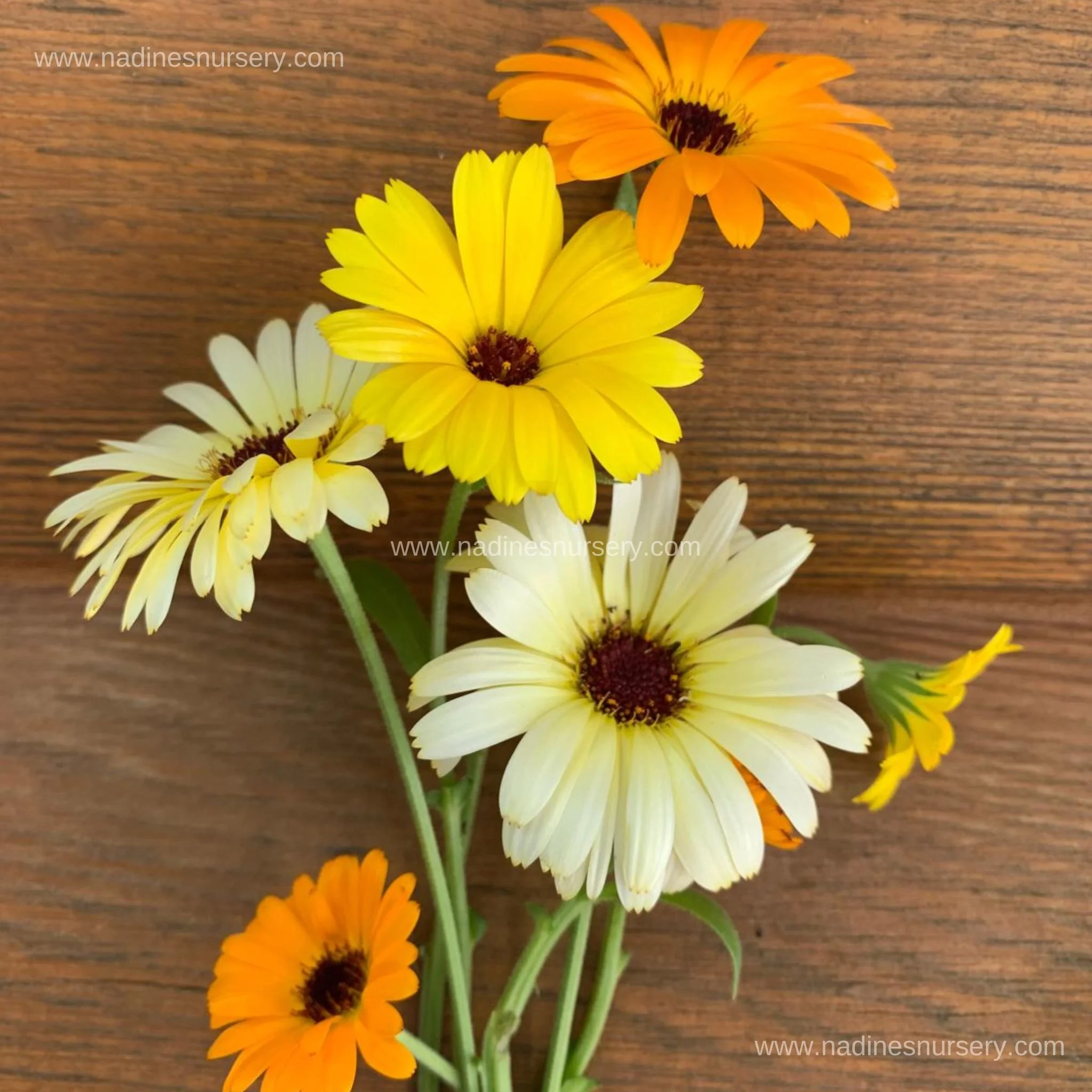
Annual. Get ready for a show! This unusual variety will undergo a beautiful colour transformation right before your eyes: unopened blooms will begin as a lemon curd yellow. Petals will then gradually unfurl to reveal an almost pure white blossom with a dark center. A beautiful contrast for any flower bed or vase!
Calendula are a terrific vegetable companion, as they attract pollinators and repel harmful nematodes in the soil. Their flowers are edible and dried petals can be used in place of saffron, as a garnish, or to make a delightful tea. They are very easy to grow, requiring minimal watering and feeding. Plant in poor to average, well-draining soil and deadhead occasionally for increased blooms.
Location: Mid-border, Mixed container, Vegetable garden
Bloom Period: June to September
Height: 2’
Plant Spacing: 10”

Perennial. Treat your feline friends to a patch of catnip they can call their own. For yourself, the leaves can be steeped into an herbal tea that aids nervousness and digestion. In the garden, they repel a host of harmful insects, and are a great companion for squash, Brassicas, and potatoes. Flowering will usually begin in their second year, when they become a beautiful ornamental that will attract bees and butterflies. Plants will not become invasive, and are easily incorporated into perennial flower beds or borders. They are a great option for dry soils where other flowers may falter. They can also be grown in raised beds or containers. Plants prefer loamy, sandy soil that is well-draining. They are drought tolerant once established and do not require supplemental feeding.
Harvest: Leaves and sprigs while plants are flowering in midsummer.
Plant Height: 12-24”
Plant Spacing: 12-18”
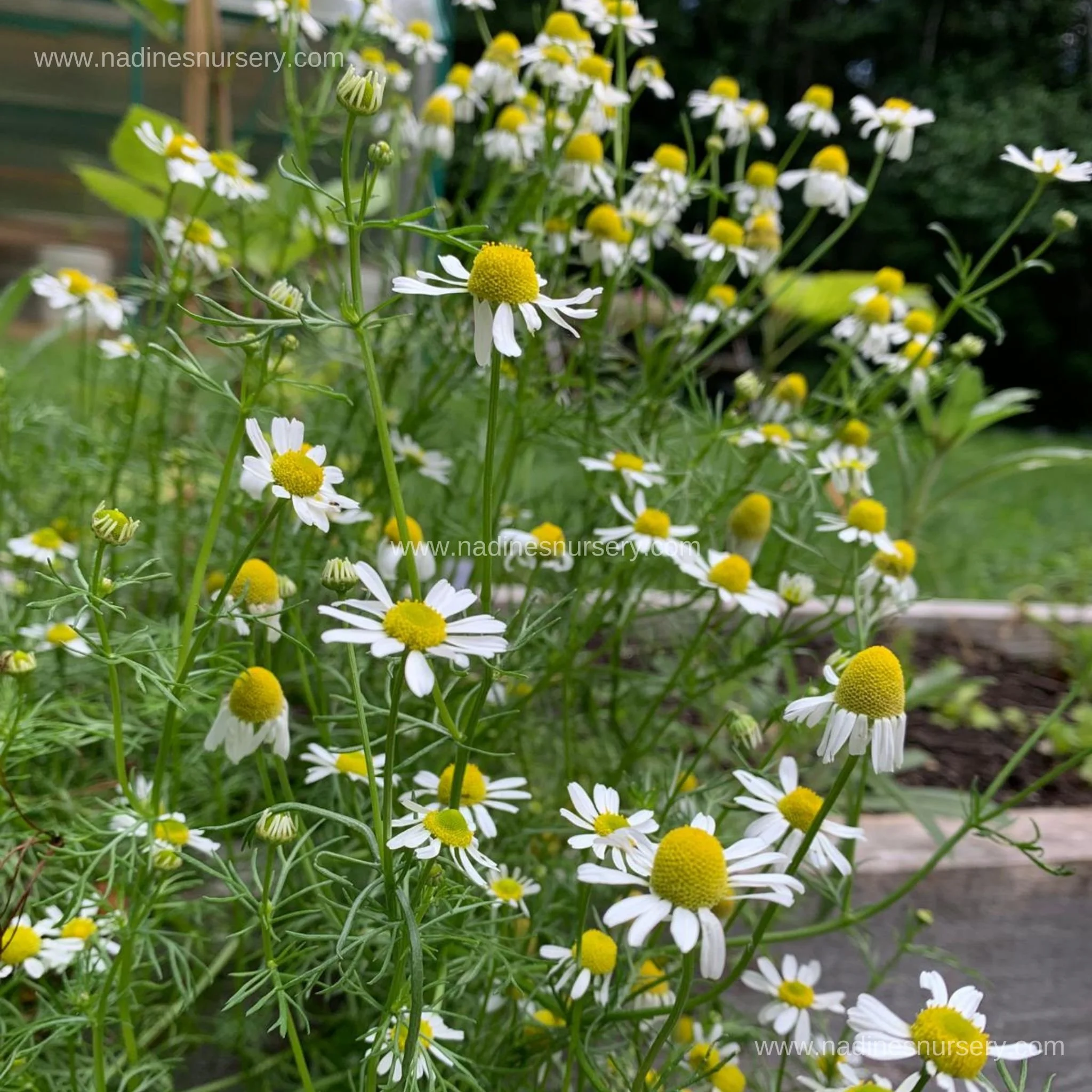
Annual. A flowering herb whose profuse blooms produce one of the world’s most common herbal teas. It is known for helping to relieve stress and anxiety, making it popular as an evening tea to promote relaxation and sleep. Drinking a cup after a meal will also aid digestion and soothe an upset stomach. In the garden, chamomile is a wonderful companion for any vegetable, flower or herb. It attracts beneficial insects and pollinators, and is especially beneficial for Brassicas, onions, beans, cucumbers and tomatoes. When planted near aromatic herbs, such as basil and rosemary, it will help to increase their oil production, making them more potent. Plants prefer rich, organic soil. They will tolerate poor soil, but it will cause their growth habit to become more leggy. They do not require fertilization and are drought tolerant once established. Allowing some flowers to remain at the end of the season will encourage self-seeding.
Harvest: Flowers when in full bloom.
Plant Height: 2’
Plant Spacing: 8-12”
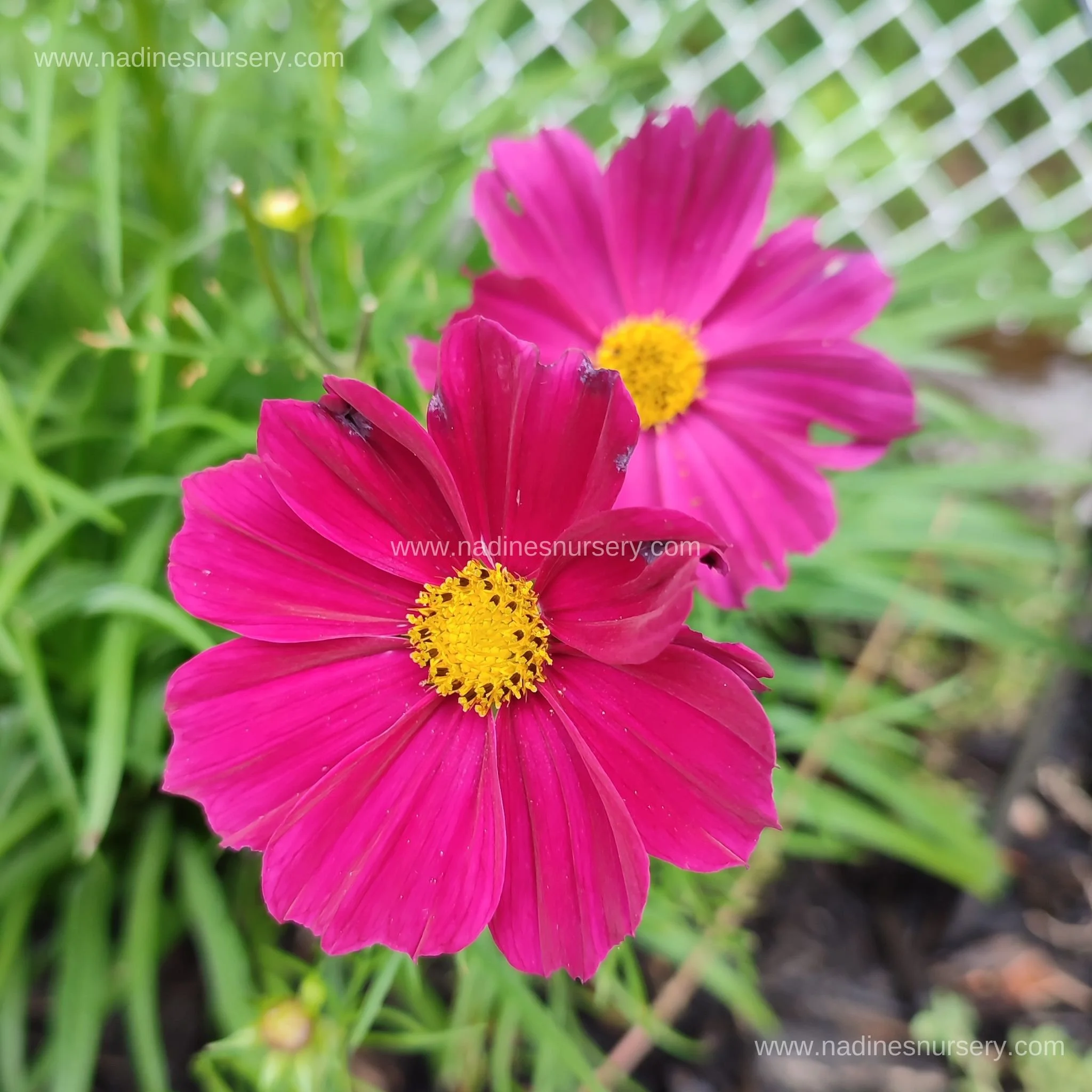
Annual. A lively mix of pink, purple and white flowers on dense, feathery plants. Smaller than other varieties, ‘Apollo’ is perfect for containers.
Cosmos attract bees, butterflies and birds. The plants are self-seeding, but not invasive, and are not prone to pests or disease. They tolerate heat, drought and will grow in even the poorest soil conditions, provided that there is good drainage. This is a truly low-maintenance plant. Avoid too much fertilizer, as this can lead to lush foliage and few blooms.
Location: Mid-border, Mixed container, Landscape planting, Cottage garden
Bloom Period: June to September
Height: 18-26”
Plant Spacing: 12-15”
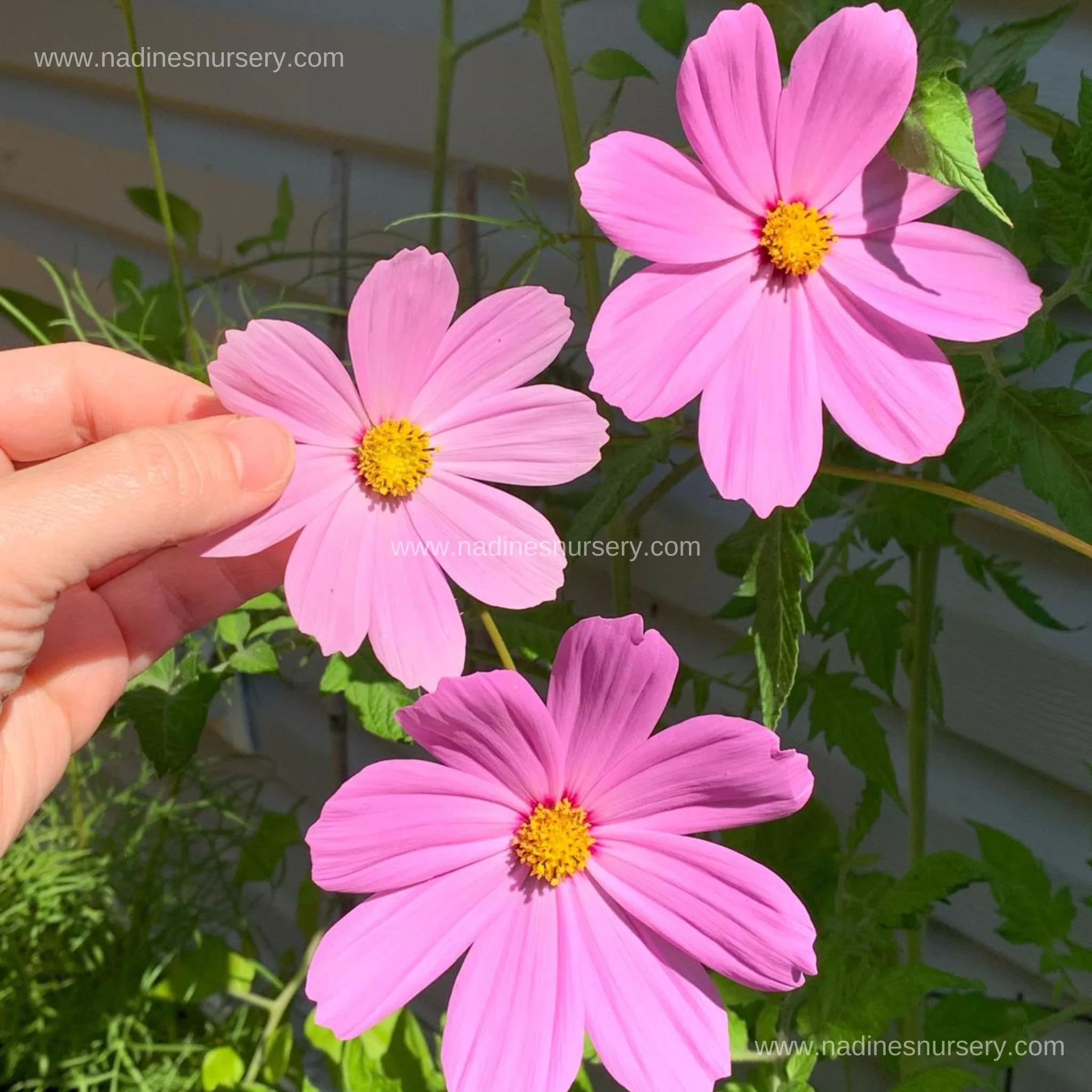
Annual. ‘Gloria’ is a show-off in the garden. The rose-pink petals and piercing crimson eyes will easily charm all who come to visit. Plants are heavy-blooming and self-cleaning, for an easy display of colour from early summer to frost.
Cosmos attract bees, butterflies and birds. The plants are self-seeding, but not invasive, and are not prone to pests or disease. They tolerate heat, drought and will grow in even the poorest soil conditions, provided that there is good drainage. This is a truly low-maintenance plant. Avoid too much fertilizer, as this can lead to lush foliage and few blooms.
Location: Rear border, Landscape planting, Cottage garden
Bloom Period: June to September
Height: 3-5’
Plant Spacing: 18”

Annual. A beautiful dwarf variety, ‘Figaro’ produces showy, double and semi-double 2.5-3” flowers on well-branched, bushy plants. Colours are a mix of red, pink, orange, yellow or white. These dahlias perform beautifully in beds, borders, or containers, and are one of the best varieties for larger landscape plantings. Flowers attract bees and butterflies, and are excellent for cutting. Plant in average, well-drained soil and maintain even moisture throughout the season. Apply either granular fertilizer at planting time, or apply a liquid fertilizer monthly.
Location: Front of border, Container, Landscape planting
Bloom Period: June to September
Height: 12-14”
Plant Spacing: 12”
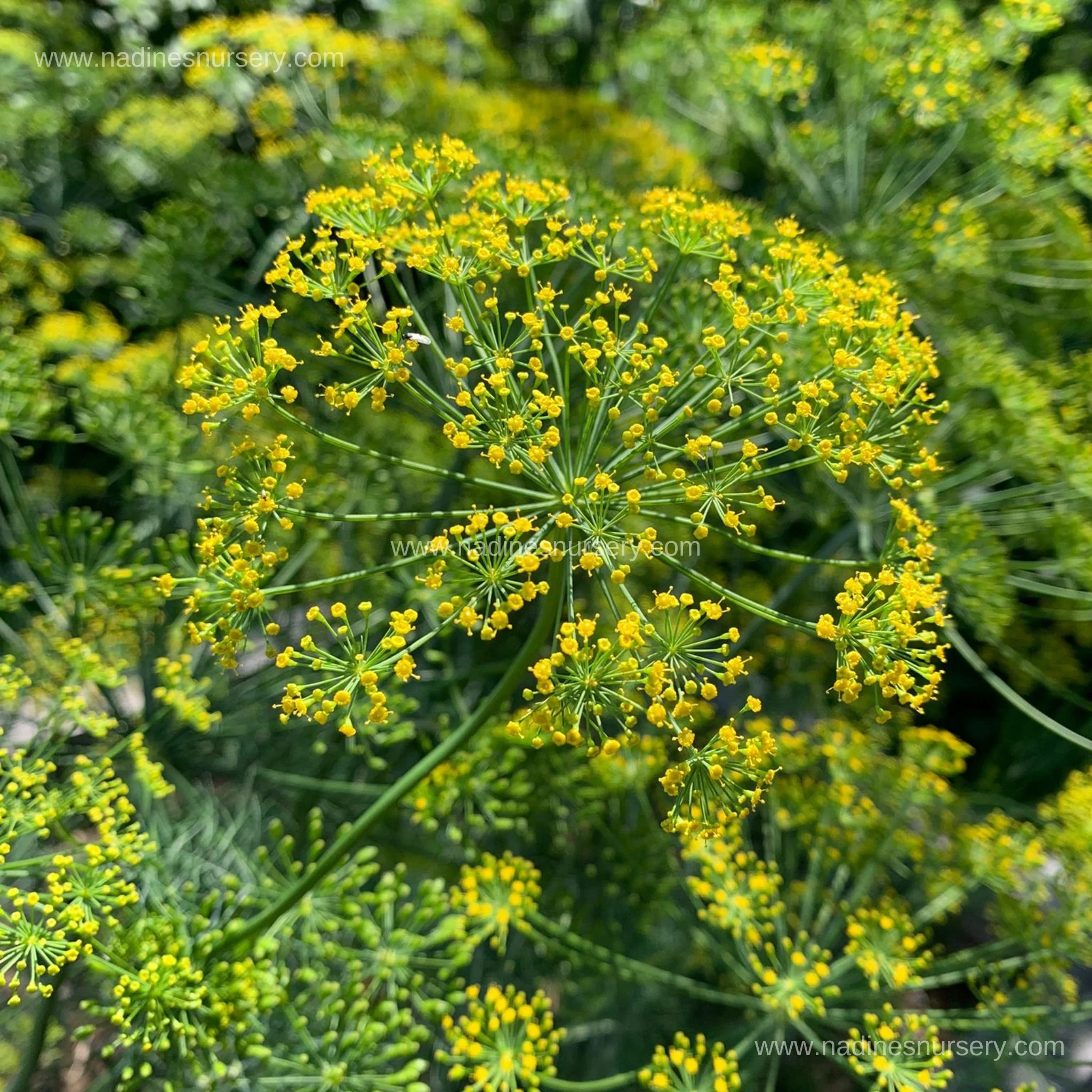
Annual. A large, must-have variety for flavouring pickles, vinegar or seafood dishes. Plants will quickly mature to produce large umbels of yellow flowers.
Dill is a refreshing herb whose leaves are excellent fresh in salads. They also pair well with seafood, or can be used to spice up spreads and sour cream. Large umbels are a popular choice for making dill pickles. Plants are beneficial in the vegetable garden, as they attract ladybugs and parasitic wasps, while repelling aphids and spider mites. They make an excellent companion for Brassicas, cucumbers, and eggplants. Plants prefer moderately rich, well-draining soil, and benefit from regular watering and feeding. Once harvested, preserve fresh leaves by freezing as opposed to drying for best flavour. Allowing some umbels to remain on the plant at the end of the season will encourage self-seeding.
Harvest: Leaves once plants are 6” tall. Umbels once fully formed.
Plant Height: 2-2.5’
Plant Spacing: 10-12”
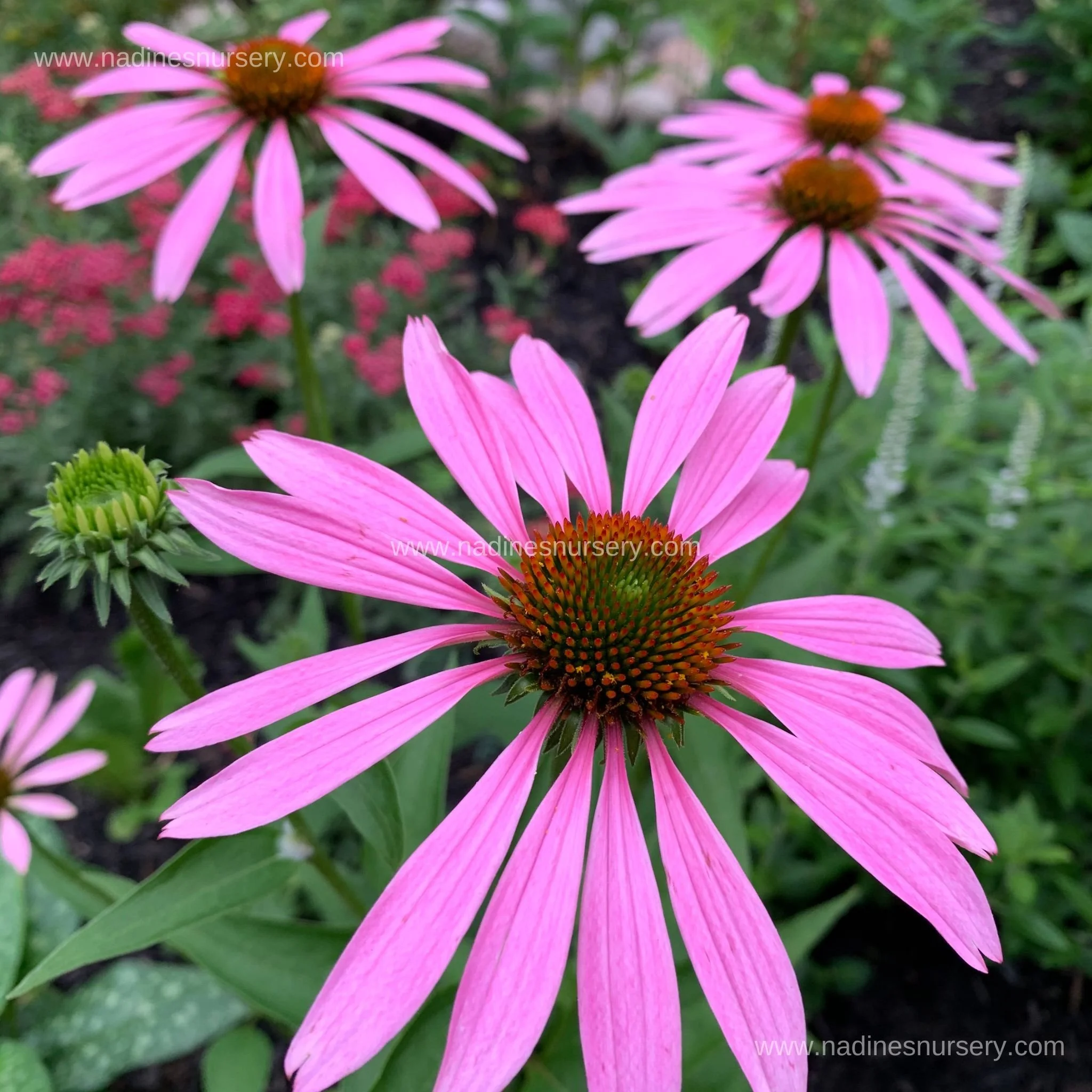
Perennial. Large, rosy-pink flowers will add cheerful colour to any landscape or border. Plants are low maintenance and easy to grow. They tolerate heat, drought and poor soil. They are excellent cut flowers and highly attractive to pollinators. They also attract beneficial insects, making them a great companion for the vegetable garden.
Location: Border, Butterfly garden, Vegetable garden
Bloom Period: July to October
Height: 36-48”
Plant Spacing: 18-24”
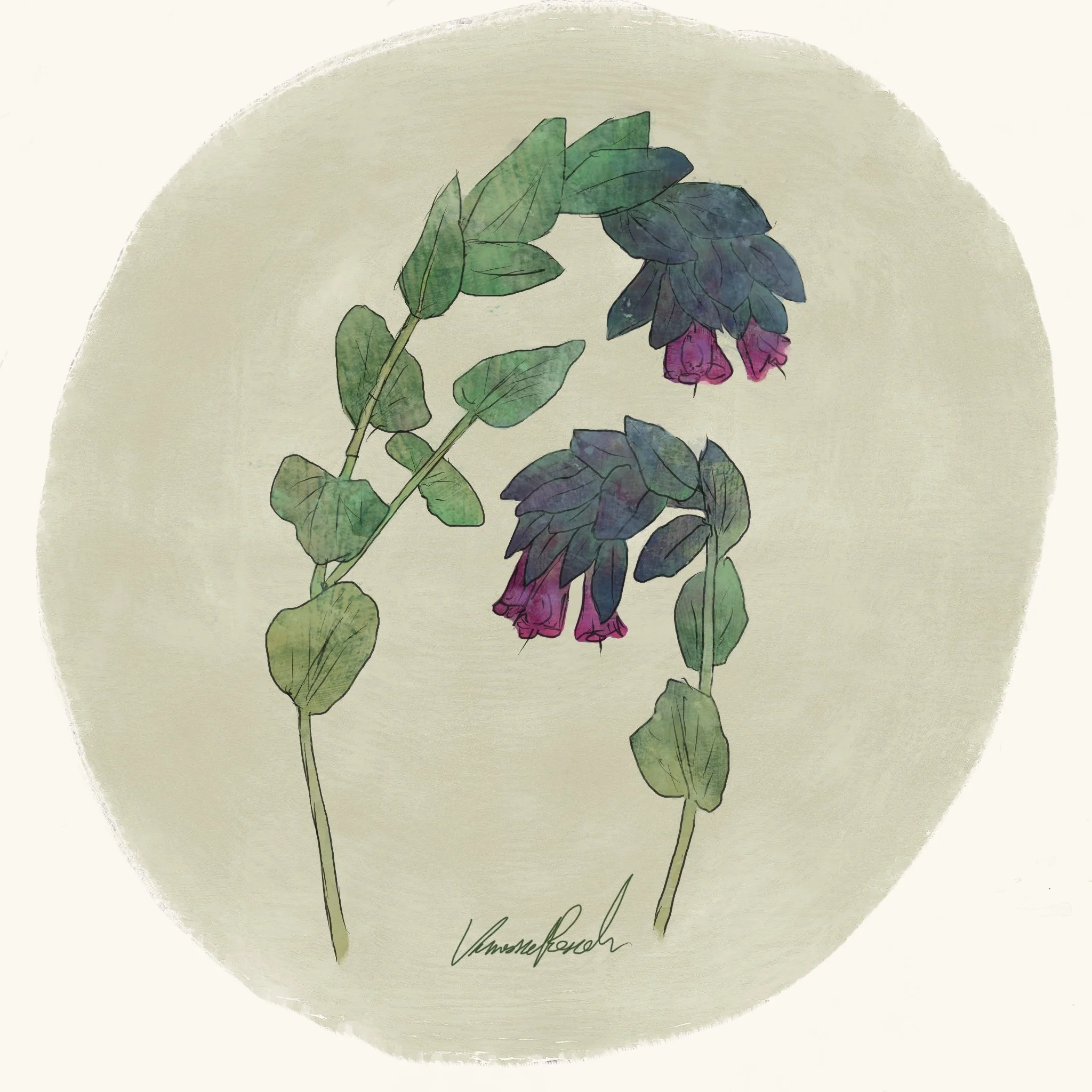
Annual. A unique an interesting variety. Arching stems produce nodding blooms in blue-purple hues. An excellent cut flower, and positively adored by bees!
Plants tolerate both heat and drought. They will grow in any soil type, provided it is well-draining.
Location: Border, Container, Vegetable garden
Bloom Period: July to September
Height: 24-36”
Plant Spacing: 12”

Perennial. Grown as much for its lovely fragrance as it is for its beauty in the garden, lavender offers a host of health benefits. It is also a pollinator magnet, attracting dozens of bees as soon as it begins to bloom in June and July. Plants will remain small in their first year, then will fill out significantly before blooming in their second year. Plants prefer dry, well-drained soil that is not too fertile.
Harvest: Blooms in early summer.
Plant Height: 2’, spreading 2-3’
Plant Spacing: 12-18”

Perennial. The perfect addition to your perennial herb/food bed. This multi-purpose herb used to be a staple in medieval gardens for both cooking and medicinal purposes. It is now most commonly used in southern European cuisine. All parts of the plant are edible - roots, seeds and leaves. Like a strongly-flavoured celery, the leaves add a wonderful meaty flavour to vegetable soups and stews. They also aid digestion and are good for stomach upset. In the garden, plants benefit nearby vegetables as they attract a host of pollinators. Plants prefer rich, moist, well-draining soil. They don’t require direct sun, just good light. They are very long-lived perennials, but allow them to get established in their first year before beginning heavy cultivation in their second. While they will eventually grow to be quite large, they have a bushy growth habit, and won’t run rampant through the garden.
Harvest: Leaves in early summer, before flowering. Freeze for easy storage.
Plant Height: up to 7’, spreading to 3’
Plant Spacing: 24”

Annual. Compact and bushy plants with double, 2.5” blooms in a mix of orange and yellow hues. A wonderful variety for containers and small pots.
The quintessential companion plant, marigolds are stars in the vegetable garden. They attract bees, butterflies and beneficial predatory insects. They are an excellent companion for tomatoes and potatoes, as they repel harmful insects and soil nematodes. Plant in average soil with even moisture and fertilize every few weeks.
Location: Vegetable garden, Front of border, Mixed container
Bloom Period: June to September
Height: 10-12”
Plant Spacing: 6-8”
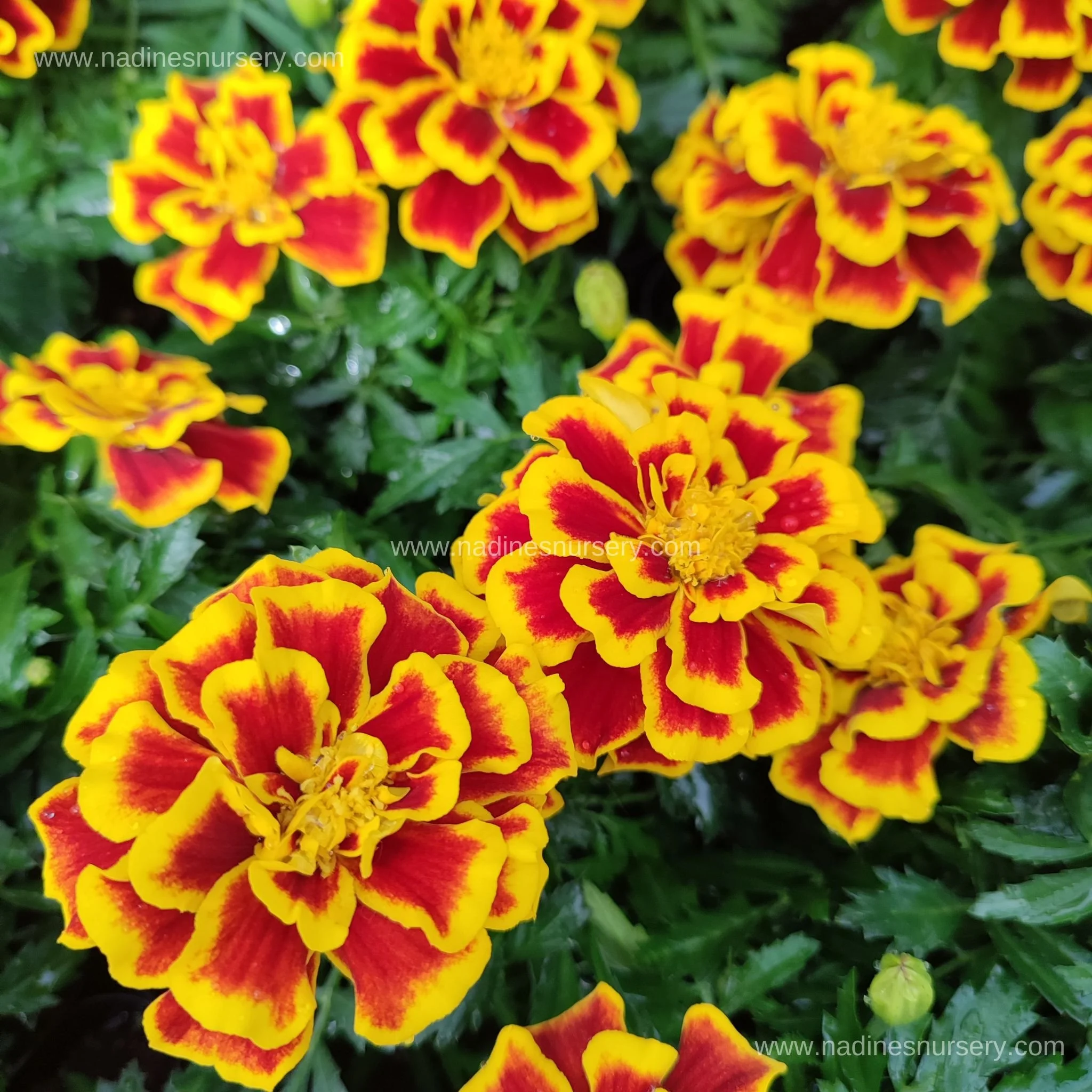
Annual. Compact, sturdy plants that bear a profusion of showy, red and yellow blooms all summer and deep into fall.
The quintessential companion plant, marigolds are stars in the vegetable garden. They attract bees, butterflies and beneficial predatory insects. They are an excellent companion for tomatoes and potatoes, as they repel harmful insects and soil nematodes. Plant in average soil with even moisture and fertilize every few weeks.
Location: Vegetable garden, Front of border, Mixed container
Bloom Period: May to October
Height: 10-12”
Plant Spacing: 6-8”
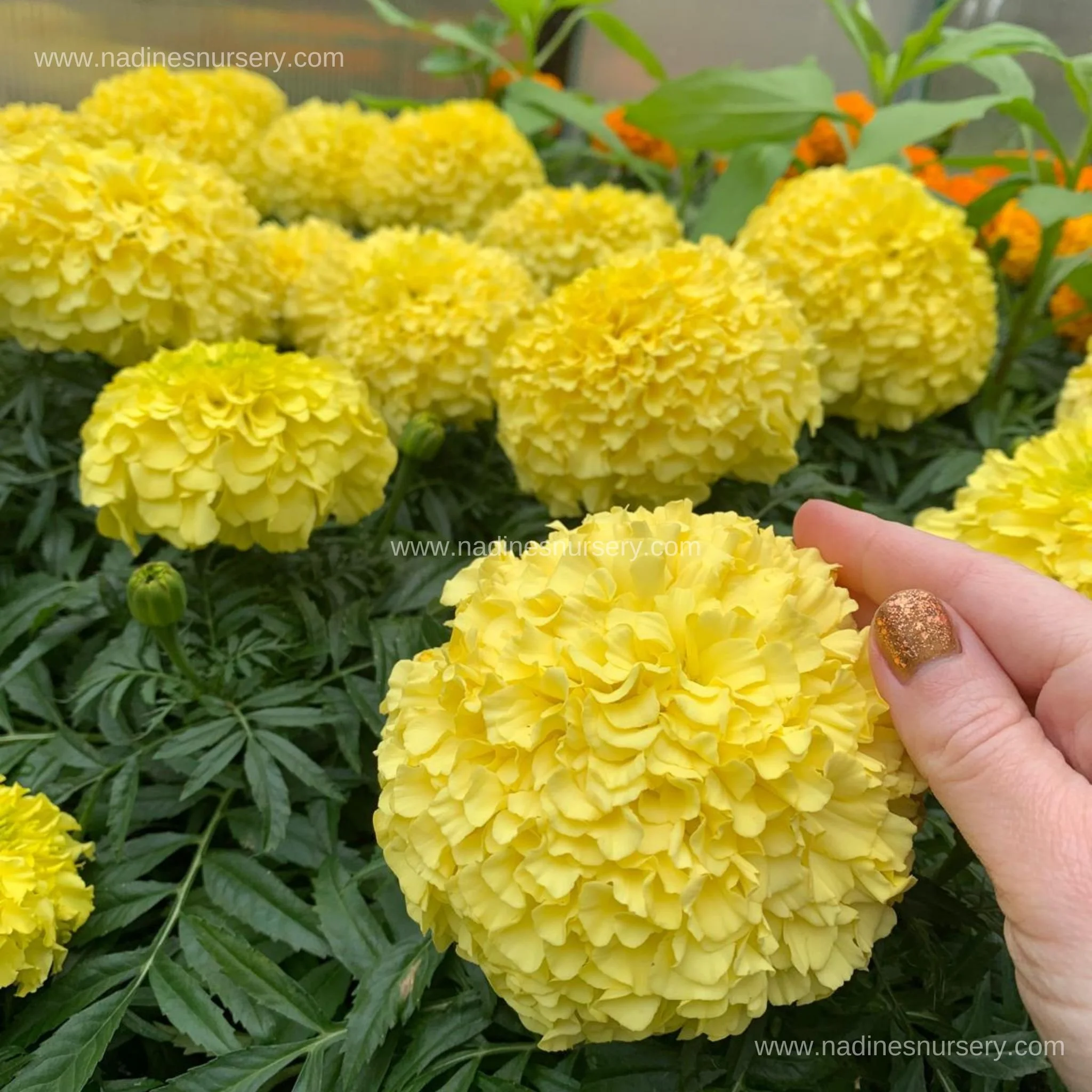
Annual. Enormous, fully double, 4” blooms in vibrant pastel yellow. Plants are compact, tidy and sturdy. Heavy-blooming and heat tolerant, this is an outstanding variety for massing in the landscape or making colourful patio containers.
The quintessential companion plant, marigolds are stars in the vegetable garden. They attract bees, butterflies and beneficial predatory insects. They are an excellent companion for tomatoes and potatoes, as they repel harmful insects and soil nematodes. Plant in average soil with even moisture and fertilize every few weeks.
Location: Vegetable garden, Landscape planting, Mixed container
Bloom Period: June to September
Height: 12-14”
Plant Spacing: 6-8”

Annual. This Mexican marigold is smothered in petite, sunny flowers with a light citrus scent. Plants grow in neat mounds with lacy green foliage. Both leaves and flowers are edible - leaves as a flavourful salad green, and flowers to dress up salads or desserts.
The quintessential companion plant, marigolds are stars in the vegetable garden. They attract bees, butterflies and beneficial predatory insects. They are an excellent companion for tomatoes and potatoes, as they repel harmful insects and soil nematodes. Plant in average soil with even moisture and fertilize every few weeks.
Location: Vegetable garden, Front of border, Mixed container
Bloom Period: June to October
Height: 12”
Plant Spacing: 12”

Annual. Superior branching, medium stature and dense flower structure make ‘Marvel II’ marigolds top performers in the garden all season. They do not need staking and excel in large containers and landscape plantings. They are also long-lasting cut flowers.
The quintessential companion plant, marigolds are stars in the vegetable garden. They attract bees, butterflies and beneficial predatory insects. They are an excellent companion for tomatoes and potatoes, as they repel harmful insects and soil nematodes. Plant in average soil with even moisture and fertilize every few weeks.
Location: Vegetable garden, Landscape planting, Mixed container
Bloom Period: June to September
Height: 16-18”
Plant Spacing: 8-10”
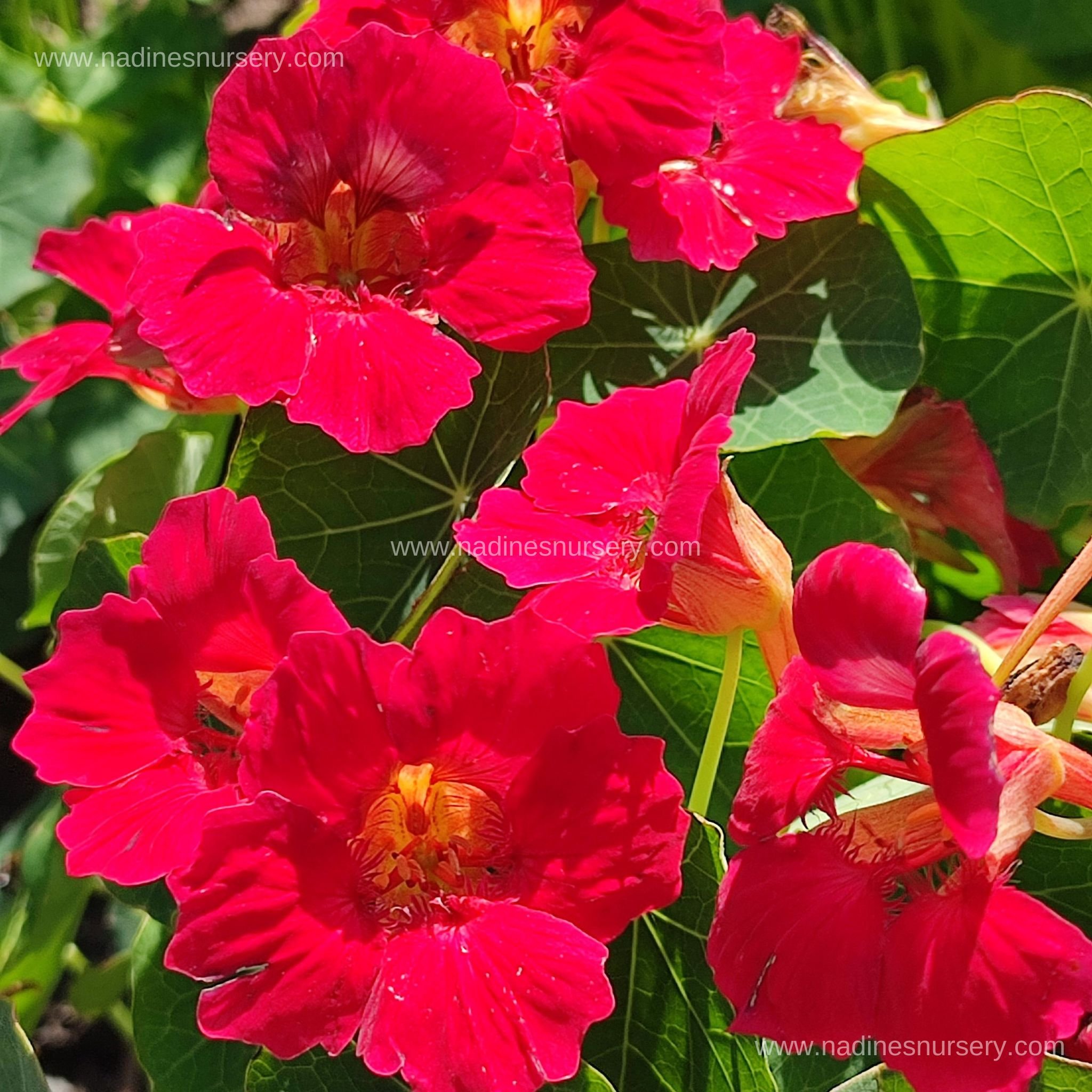
Annual. A petite-flowered, mounding variety that is ideal for containers and small space gardens. The rose colour provides a beautiful contrast to dark green foliage.
Nasturtiums are an excellent companion for the vegetable garden, attracting pollinators and beneficial insects. They draw pests away from tomato and squash, deter cucumber beetles, and are also beneficial to Brassicas, dill, melons and radishes. They make great underplantings for daylilies and roses. The flowers are entirely edible, with a peppery taste that makes them a unique addition to a summer salad. Plants thrive on neglect. Plant in average, well-draining soil and watch them produce an abundance of cheerful blooms.
Location: Vegetable garden, Front of border, Patio container
Bloom Period: July to September
Height: 12”
Plant Spacing: 8-12”
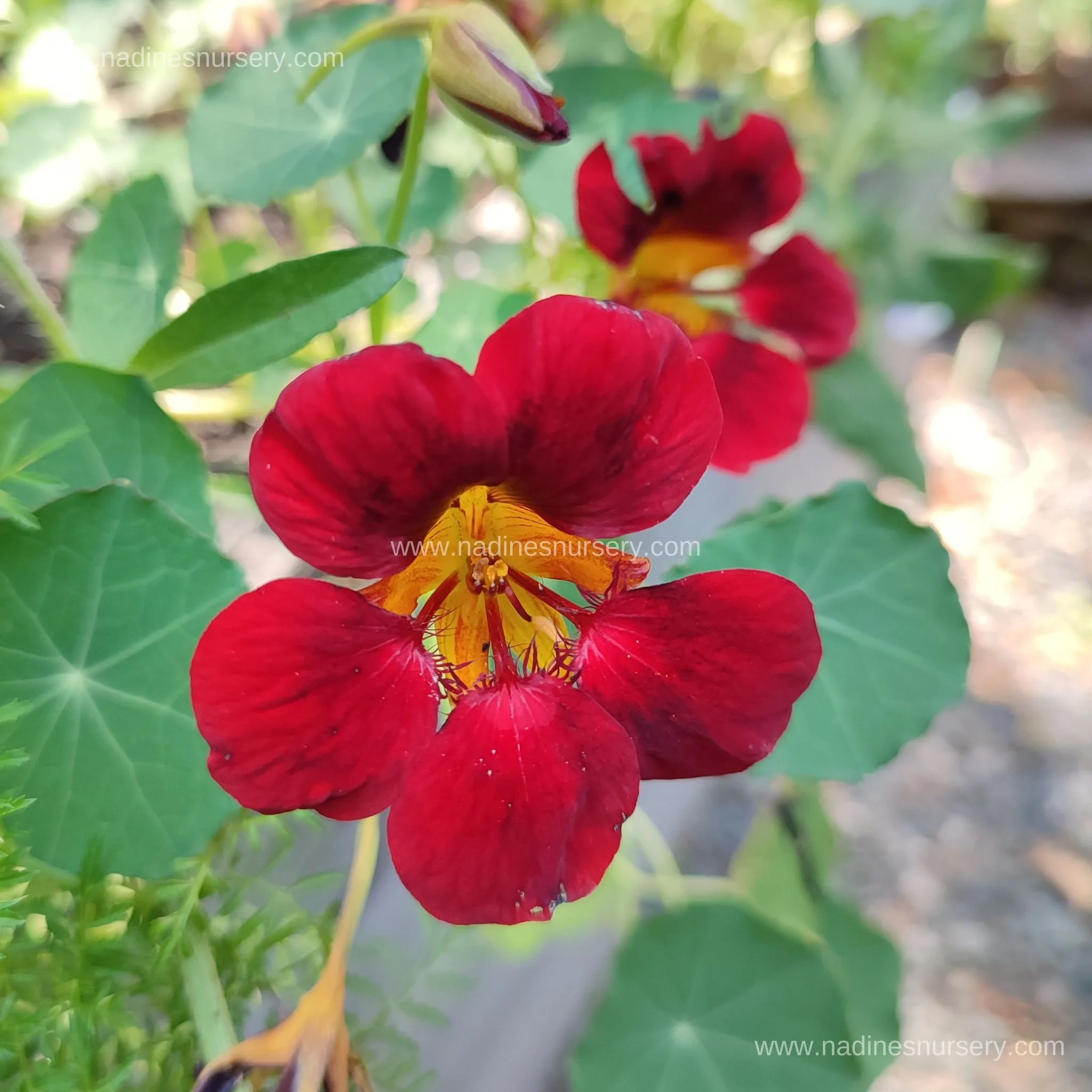
Annual. Dark, rich, mahogany blooms and light green leaves form a spectacular contrast in the garden.
Nasturtiums are an excellent companion for the vegetable garden, attracting pollinators and beneficial insects. They draw pests away from tomato and squash, deter cucumber beetles, and are also particularly beneficial to Brassicas, dill, melons and radishes. They make great underplantings for daylilies and roses. The flowers are entirely edible, with a peppery taste that makes them a unique addition to a summer salad. Plants thrive on neglect. Plant in average, well-draining soil and watch them produce an abundance of cheerful blooms.
Location: Vegetable garden, Trellis, Patio container
Bloom Period: July to September
Height: 12”
Plant Spacing: 8-12”
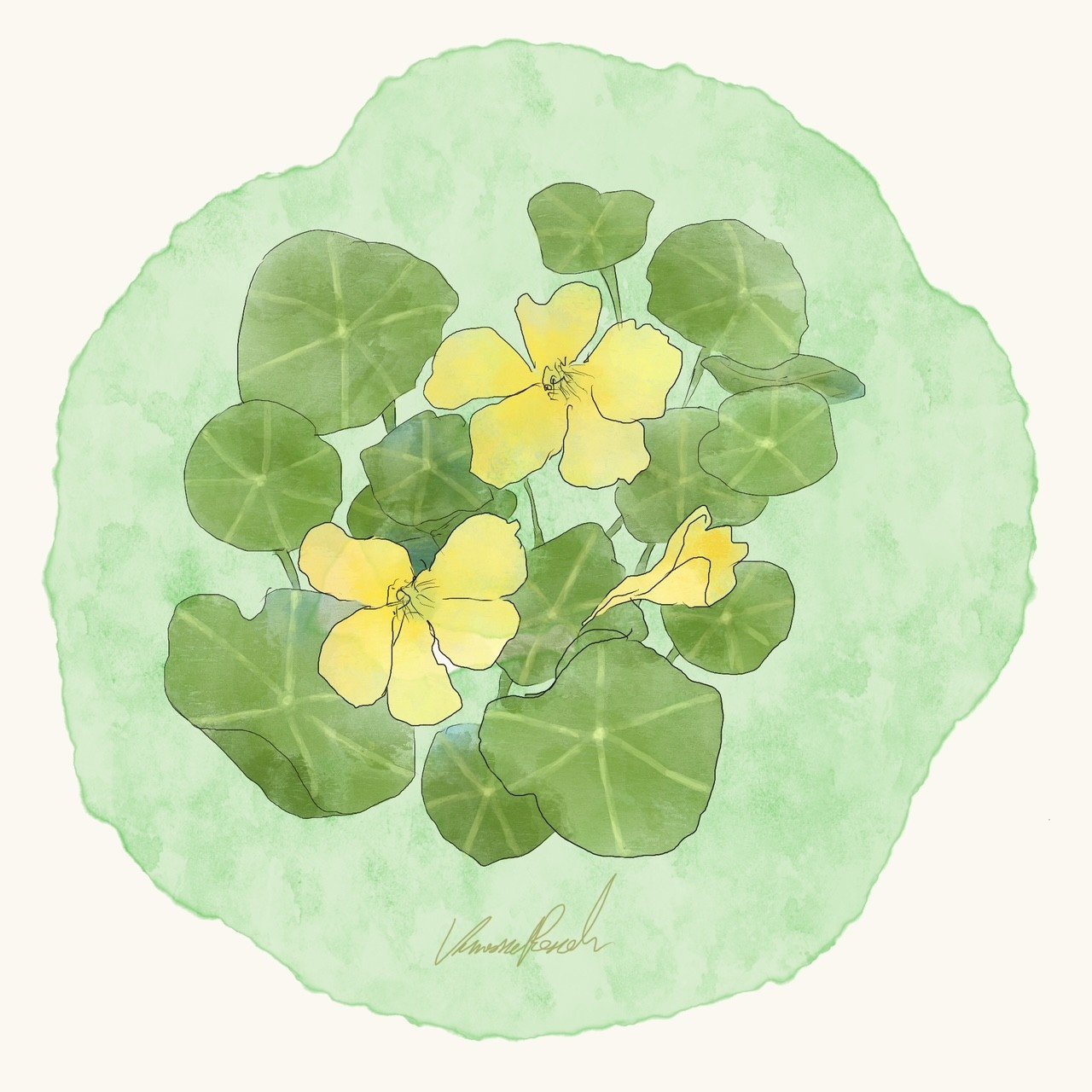
Annual. An heirloom variety with beautiful creamy-yellow blooms. A vigorous climber, it will easily twine along a fence or trellis.
Nasturtiums are an excellent companion for the vegetable garden, attracting pollinators and beneficial insects. They draw pests away from tomato and squash, deter cucumber beetles, and are also particularly beneficial to Brassicas, dill, melons and radishes. They make great underplantings for daylilies and roses. The flowers are entirely edible, with a peppery taste that makes them a unique addition to a summer salad. Plants thrive on neglect. Plant in average, well-draining soil and watch them produce an abundance of cheerful blooms.
Location: Vegetable garden, Trellis, Patio container
Bloom Period: July to September
Height: 12”, spreading to 4-6’
Plant Spacing: 8-12”

Annual. Blooms form a riot of colour in shades spanning from cream to rose to deep mahogany. Flowers are larger than other varieties, with mostly double petals. Very showy in hanging baskets or climbing up a trellis.
Nasturtiums are an excellent companion for the vegetable garden, attracting pollinators and beneficial insects. They draw pests away from tomato and squash, deter cucumber beetles, and are also particularly beneficial to Brassicas, dill, melons and radishes. They make great underplantings for daylilies and roses. The flowers are entirely edible, with a peppery taste that makes them a unique addition to a summer salad. Plants thrive on neglect. Plant in average, well-draining soil and watch them produce an abundance of cheerful blooms.
Location: Vegetable garden, Trellis, Patio container
Bloom Period: July to September
Height: 12”, spreading to 4-6’ (in ground) or 18” (in baskets)
Plant Spacing: 8-12”
Annual. Huge, flat leaves have a mild taste that is perfect for cooking.
Parsley is a versatile herb that is popular in European cuisine. Its mild flavour enhances that of other ingredients, is wonderful in salads, and makes an attractive garnish. In the garden, it makes an excellent vegetable companion, most notably for tomatoes. They are very easy to grow in 10” containers. Plants prefer loamy, moist, well-draining soil. They do not tolerate drought, so water regularly. Do not pull in-ground plants in fall, as they will survive light winters. In their second year they will produce few leaves but abundant blooms which will attract hordes of beneficial insects to the garden.
Harvest: Clip leaves as needed, once plants are at least 6” tall. Harvest outer stems, close to the plant base.
Plant Height: 18-20”
Plant Spacing: 8-12”

Annual. Curled leaves have a stronger taste well-suited for salads, cooking, or as a garnish. Plants tolerate light frost.
Parsley is a versatile herb that is popular in European cuisine. Its mild flavour enhances that of other ingredients, is wonderful in salads, and makes an attractive garnish. In the garden, it makes an excellent vegetable companion, most notably for tomatoes. They are very easy to grow in 10” containers. Plants prefer loamy, moist, well-draining soil. They do not tolerate drought, so water regularly. Do not pull in-ground plants in fall, as they will survive light winters. In their second year they will produce few leaves but abundant blooms which will attract hordes of beneficial insects to the garden.
Harvest: Once plants are 6” tall and bushy. Harvest outer stems, close to the plant base.
Plant Height: 12-16”
Plant Spacing: 8-12”
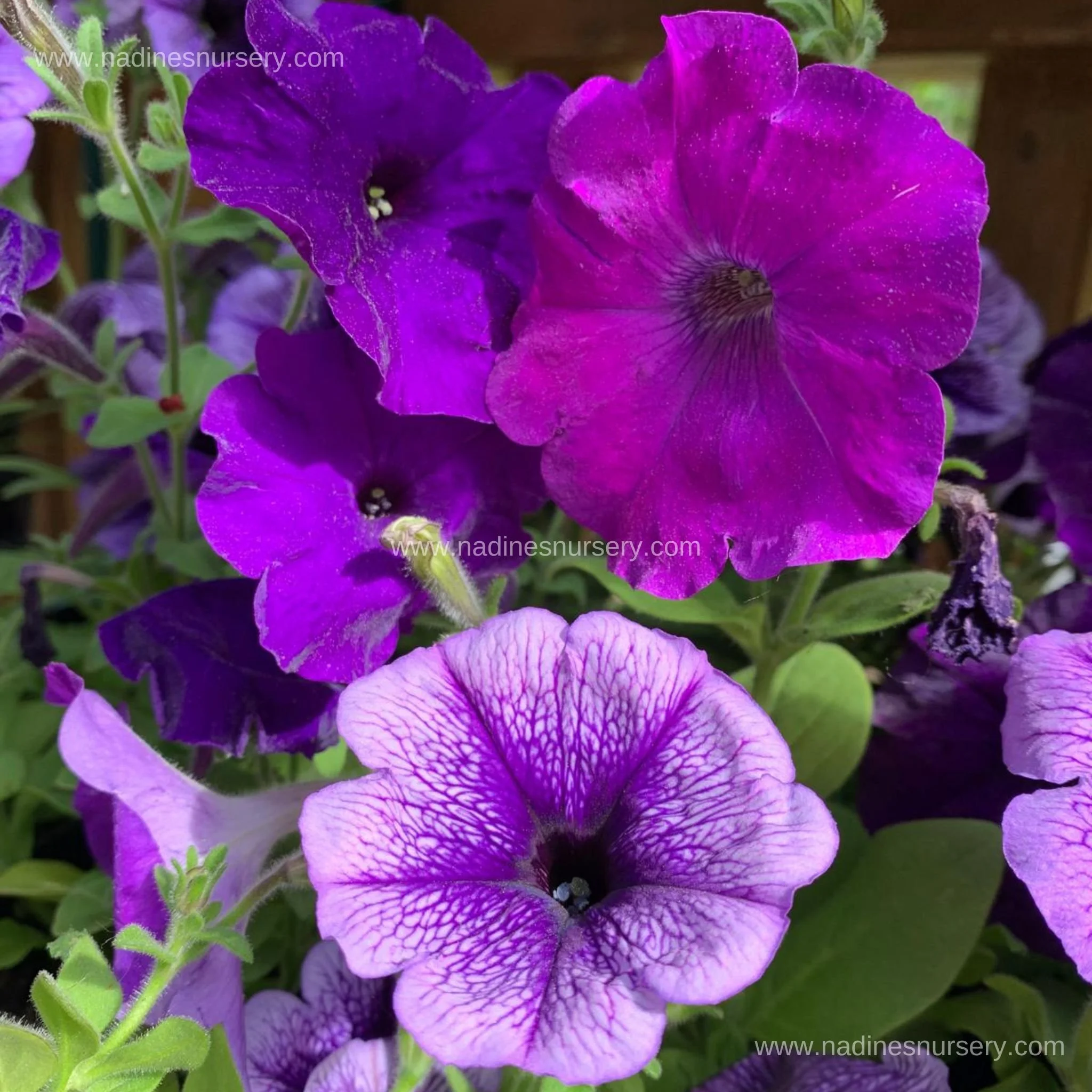
Annual. A fan favourite for early season blooms and long-lasting garden performance. Vigorous, mounded plants will quickly fill a garden bed with 2.5-3” blooms. Flowering is continuous all season, as plants tolerate both heat and humidity.
Petunias are a popular summer annual, prized for their beautiful blooms and versatility in the garden. Attracting pollinators and repelling harmful insects, they are an excellent companion for the vegetable garden. Mounding varieties put on a thrilling display in the landscape, and trailing varieties form a graceful ground cover or hanging basket. Plant in light, fertile, well-draining soil. Water regularly and feed container plants every 1-2 weeks.
Location: Landscape planting, Mixed container
Bloom Period: June to September
Height: 10”, spreading to 14”
Plant Spacing: 10-12”
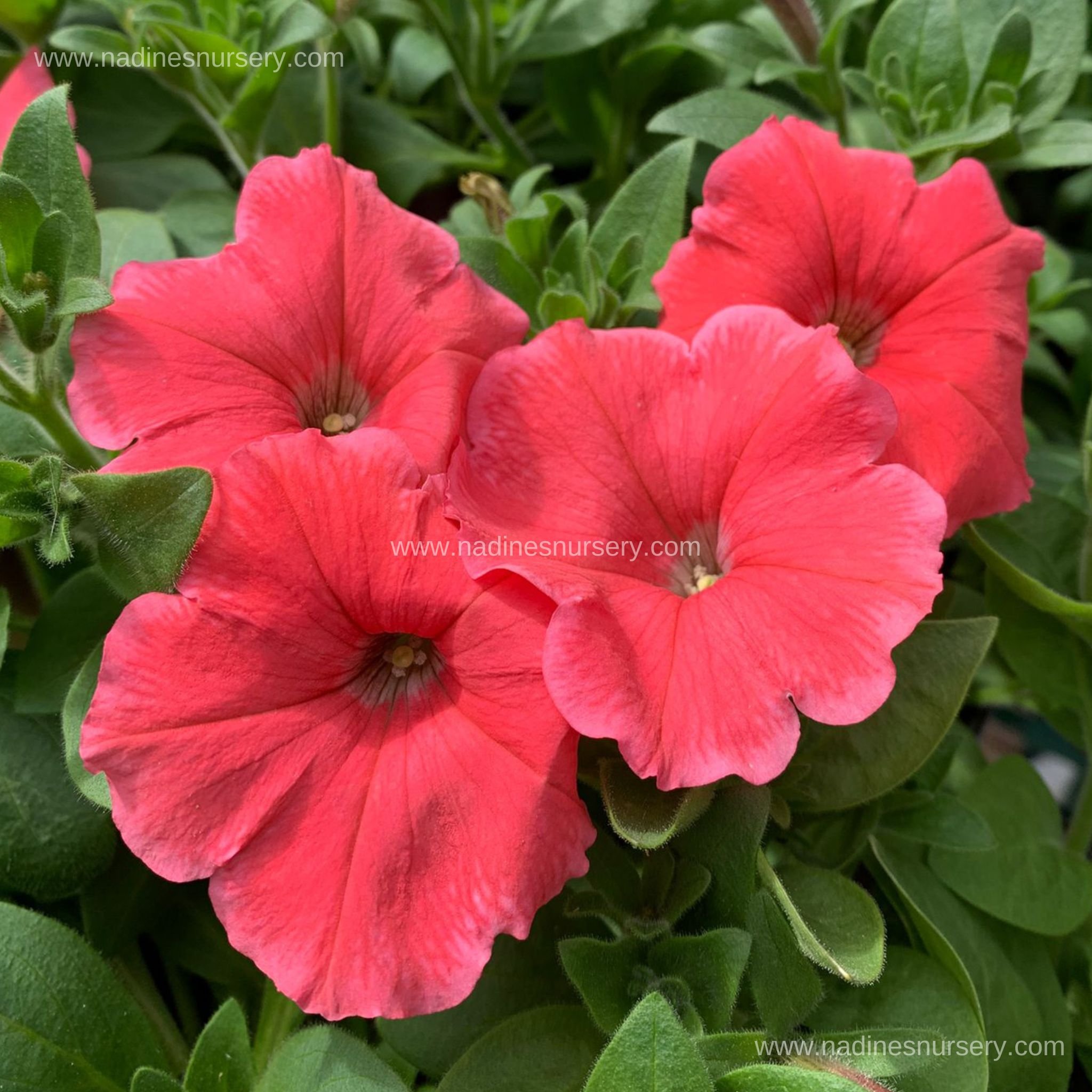
Annual. Especially suited for hanging baskets or window boxes. Large, eye-catching salmon flowers bloom profusely all summer.
Petunias are a popular summer annual, prized for their beautiful blooms and versatility in the garden. Attracting pollinators and repelling harmful insects, they are an excellent companion for the vegetable garden. Mounding varieties put on a thrilling display in the landscape, and trailing varieties form a graceful ground cover or hanging basket. Plant in light, fertile, well-draining soil. Water regularly and feed container plants every 1-2 weeks.
Location: Landscape planting, Mixed container, Hanging basket
Bloom Period: June to September
Height: 10”, spreading to 3’
Plant Spacing: 12-18”

Perennial. A pollinator magnet, once ‘Salvatore Blue’ springs into bloom, you’ll be amazed at the number of bees and butterflies hovering around these spectacular, violet-blue blossoms. They are also highly attractive to hummingbirds, and make excellent cut flowers. Compact, low-branching plants are long-blooming, easy to grow, and both heat and drought tolerant. Plant in rich, moist, well-draining soil.
Location: Landscape planting, Sunny border, Cottage garden
Bloom Period: June to August
Height: 12-16”
Plant Spacing: 12-16"

Perennial. This aromatic herb has a long list of benefits. Their strong scent is known to repel mosquitoes. Leaves are commonly used for tea to relieve digestive problems. Best of all, when purple flowers begin to form in summer, watch as they attract an abundance of bees! However, be mindful of where you plant mint in-ground, as it will eventually spread to form an invasive groundcover. For this reason, it is best grown in 10-12” pots. Placing a few near the vegetable garden will pay off in spades. Plant in rich, moist, well-draining soil, water regularly, and fertilize monthly if growing in containers.
Harvest: when stems are 12” tall.
Plant Height: 18-36”
Plant Spacing: 12”

Annual. A maritime favourite! Summer savoury is great for meat and poultry dishes, soups, beans and more. In the garden, they are an excellent companion for squash, tomatoes or beans. They can easily be grown in small or medium sized pots. Plants prefer rich, well-draining soil. Amend soil with organic matter before planting and they will not require supplemental feeding. Once established, they are drought tolerant. Pinching stems regularly will encourage bushier growth, but always leave at least one third of the plant intact.
Harvest: When sprigs are at least 5-6” tall. Sweetest and most intense flavour will be before flowering begins.
Plant Height: 12”
Plant Spacing: 8-12”

Perennial. A hardy aromatic herb commonly used in savoury dishes like roasted meat, vegetables and fish. Sprigs can be used fresh or dried. In the garden, thyme is a wonderful companion for most vegetables and herbs. It is especially beneficial for Brassicas, as it repels cabbage worms. Plants grow best in sandy, rather poor soil. Once established, they are highly drought tolerant, and will even thrive in rocky gravel. Plants will remain small in their first season, and can be easily grow in small or medium sized containers. Overwinter in the ground and watch for an explosion of growth in spring.
Harvest: All season. Snip stems as needed.
Plant Height: 6-12”
Plant Spacing: 12”

Perennial. Magnificent flower heads in lively shades of red, rose, or lavender. Yarrow grows tall and wide, with fine, feathery foliage and long stems that are excellent for cutting. They are a good choice near the vegetable garden, as they attract beneficial insects, pollinators and butterflies, and repel harmful pests. As an added bonus, they are one of the best companions for roses, serving similar pest control duties, without drawing undue resources from the soil. Plants are very easy to grow, tolerating heat, drought, salt and poor soil conditions. They will easily naturalize into the garden, provided soil is well-draining and they receive adequate light.
Location: Sunny border, Wildflower meadow, Coastal garden, Rose garden
Bloom Period: June to September
Height: 24”
Plant Spacing: 12-24”
Perennial. Bright, golden yellow blooms. An excellent filler for fresh or dried bouquets.
Yarrow grows tall and wide, with fine, feathery foliage and long stems that are excellent for cutting. They are a good choice near the vegetable garden, as they attract beneficial insects, pollinators and butterflies, and repel harmful pests. As an added bonus, they are one of the best companions for roses, serving similar pest control duties, without drawing undue resources from the soil. Plants are very easy to grow, tolerating heat, drought, salt and poor soil conditions. They will easily naturalize into the garden, provided soil is well-draining and they receive adequate light.
Location: Sunny border, Wildflower meadow, Rose garden
Bloom Period: July to August
Height: 3-4’
Plant Spacing: 24”
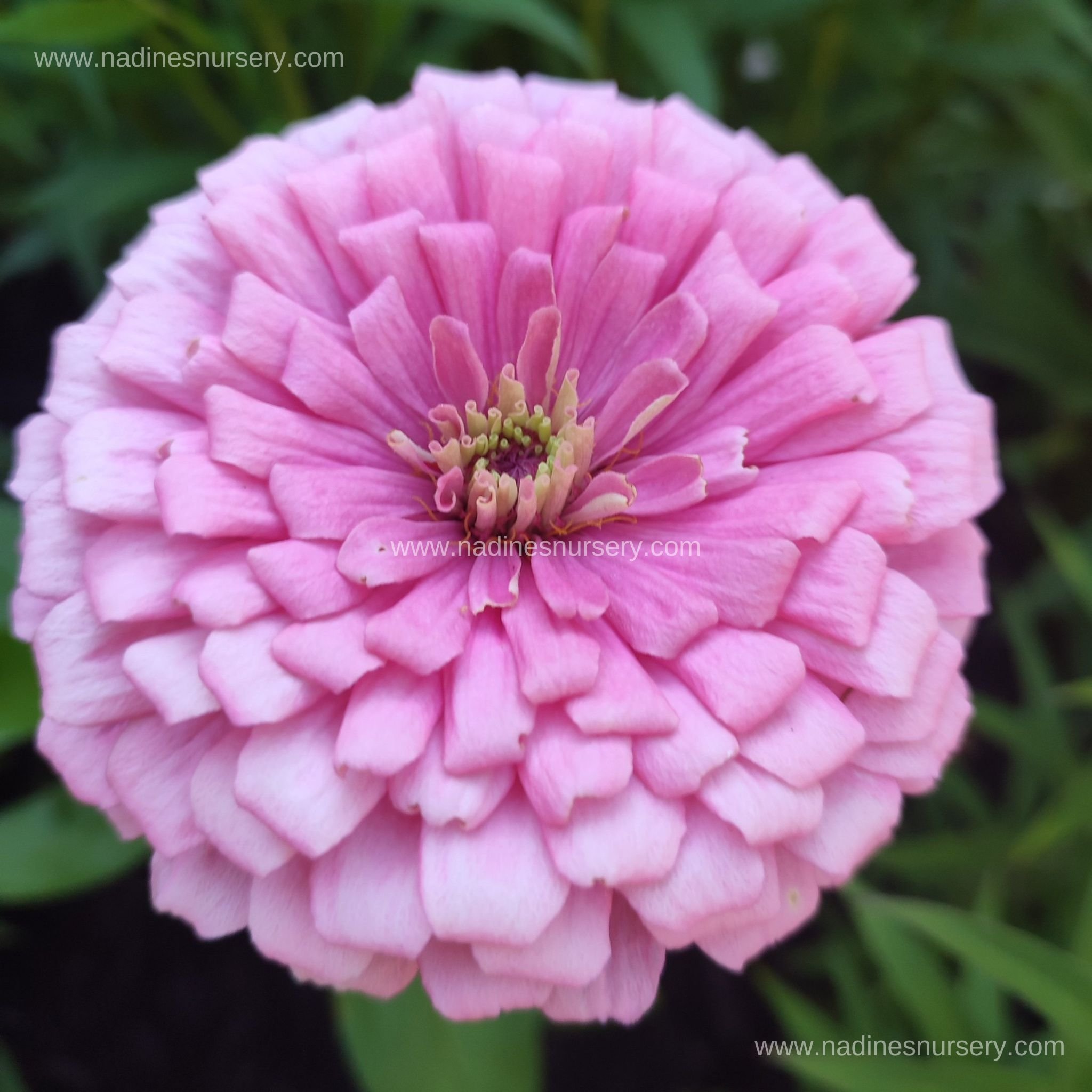
Annual. Make a statement with these huge, 5” blooms! Colours include pink, red, lavender and royal purple.
Zinnias will attract an abundance of butterflies and hummingbirds to the garden! Dwarf varieties are beautiful in the landscape or mixed containers, providing a flush of cheerful colour all season. Intermediate and tall varieties are outstanding cut flowers. Give the vegetable garden a boost by planting zinnias near tomatoes, potatoes and beans. Plants are very easy to grow, tolerating both heat and drought once established. For best performance, plant in rich, well-draining soil and water regularly.
Location: Rear border, Cut flower garden, Landscape planting
Bloom Period: June to September
Height: 2-3’
Plant Spacing: 9-12”

Annual. Radiant coral blooms will illuminate the garden. Flowers measure 5-6” across! ‘Magellan’ are early bloomers that flower freely all summer and into the fall for a truly outstanding garden performance. Plants are sturdy and well-branching.
Zinnias will attract an abundance of butterflies and hummingbirds to the garden! Dwarf varieties are beautiful in the landscape or mixed containers, providing a flush of cheerful colour all season. Intermediate and tall varieties are outstanding cut flowers. Give the vegetable garden a boost by planting zinnias near tomatoes, potatoes and beans. Plants are very easy to grow, tolerating both heat and drought once established. For best performance, plant in rich, well-draining soil and water regularly.
Location: Front of border, Mixed container, Landscape planting
Bloom Period: June to September
Height: 14”
Plant Spacing: 12”

Annual. Huge, 4-6” blooms will add a brilliant splash of scarlet colour to the garden. ‘Magellan’ are early bloomers that flower freely all summer and into the fall for a truly outstanding garden performance. Plants are sturdy and well-branching.
Zinnias will attract an abundance of butterflies and hummingbirds to the garden! Dwarf varieties are beautiful in the landscape or mixed containers, providing a flush of cheerful colour all season. Intermediate and tall varieties are outstanding cut flowers. Give the vegetable garden a boost by planting zinnias near tomatoes, potatoes and beans. Plants are very easy to grow, tolerating both heat and drought once established. For best performance, plant in rich, well-draining soil and water regularly.
Location: Front of border, Mixed container, Landscape planting
Bloom Period: June to September
Height: 14”
Plant Spacing: 12”

Annual. These red-hot cherry double blooms will make any container a sizzling success. ‘Profusion’ are a completely new type of zinnia, featuring vivid, 2” flowers on compact, tidy plants. Their effect is stunning when mass planted, and plants are resistant to heat, humidity, drought, and powdery mildew. This is one series that has been certified “Flameproof”!
Zinnias will attract an abundance of butterflies and hummingbirds to the garden! Dwarf varieties are beautiful in the landscape or mixed containers, providing a flush of cheerful colour all season. Intermediate and tall varieties are outstanding cut flowers. Give the vegetable garden a boost by planting zinnias near tomatoes, potatoes and beans. Plants are very easy to grow, tolerating both heat and drought once established. For best performance, plant in rich, well-draining soil and water regularly.
Location: Front of border, Mixed container, Landscape planting
Bloom Period: June to September
Height: 12-18”
Plant Spacing: 12”
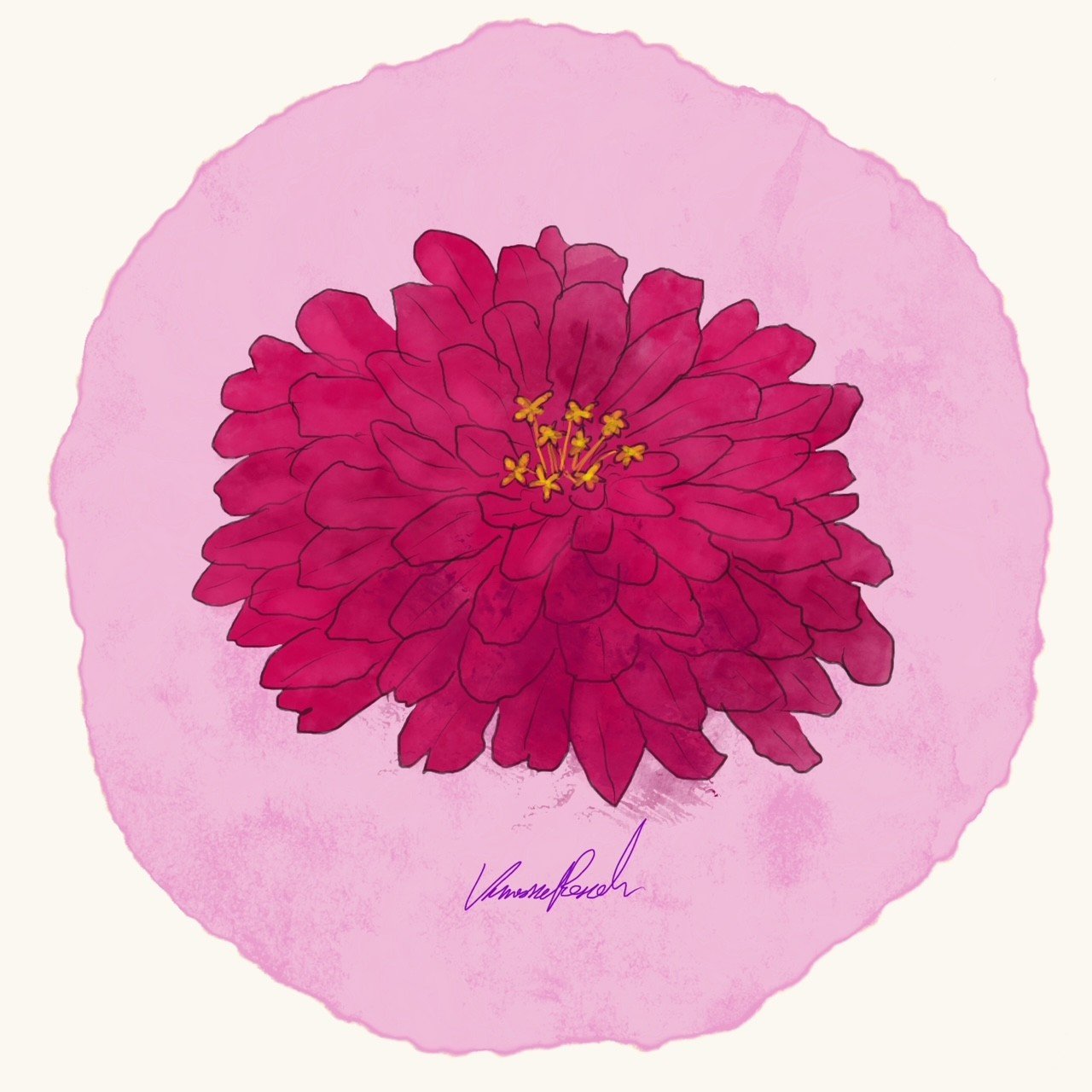
Annual. A showstopper in the garden! Vibrant, fully-double 3” flowers cover sturdy, well-branched plants that also show high disease resistance.
Zinnias will attract an abundance of butterflies and hummingbirds to the garden! Dwarf varieties are beautiful in the landscape or mixed containers, providing a flush of cheerful colour all season. Intermediate and tall varieties are outstanding cut flowers. Give the vegetable garden a boost by planting zinnias near tomatoes, potatoes and beans. Plants are very easy to grow, tolerating both heat and drought once established. For best performance, plant in rich, well-draining soil and water regularly.
Location: Front of border, Mixed container, Landscape planting
Bloom Period: June to September
Height: 14-20”
Plant Spacing: 12”