 Image 1 of 9
 Image 2 of 9
 Image 3 of 9
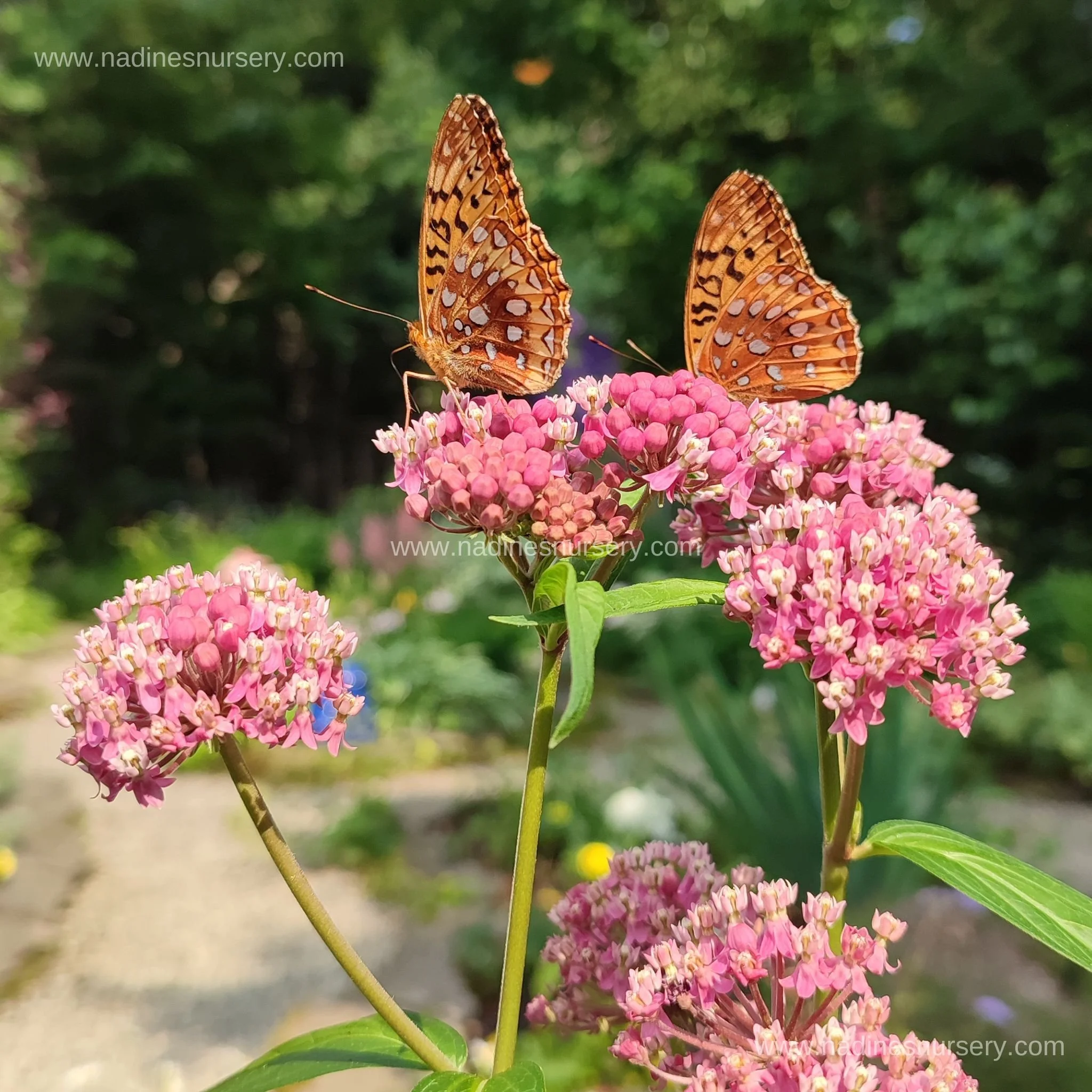 Image 4 of 9
 Image 5 of 9
 Image 6 of 9
 Image 7 of 9
 Image 8 of 9
 Image 9 of 9
Companion Plants
Combine ‘Soulmate’ with other nectar-rich flowers to create a butterfly haven:

Perennial. Unique, pagoda-style blooms are a heavy favourite for both people and pollinators! These flowers will leave you marveling at their complex beauty, colours and textures. As an added bonus - the bees go crazy for them, making them a staple for the vegetable garden. When dried, the leaves and flowers have great medicinal value. These are one of the toughest plants in the garden. During both flooding and drought conditions, they continue to thrive. They are deer-resistant and require little maintenance - ideal for the lazy gardener. Plant in hot, dry areas of the garden with slightly sandy soil.
Location: Mid-border, Vegetable companion, Wildflower garden
Bloom Period: August to September
Height: 2’, spreading to 3’
Plant Spacing: 12”
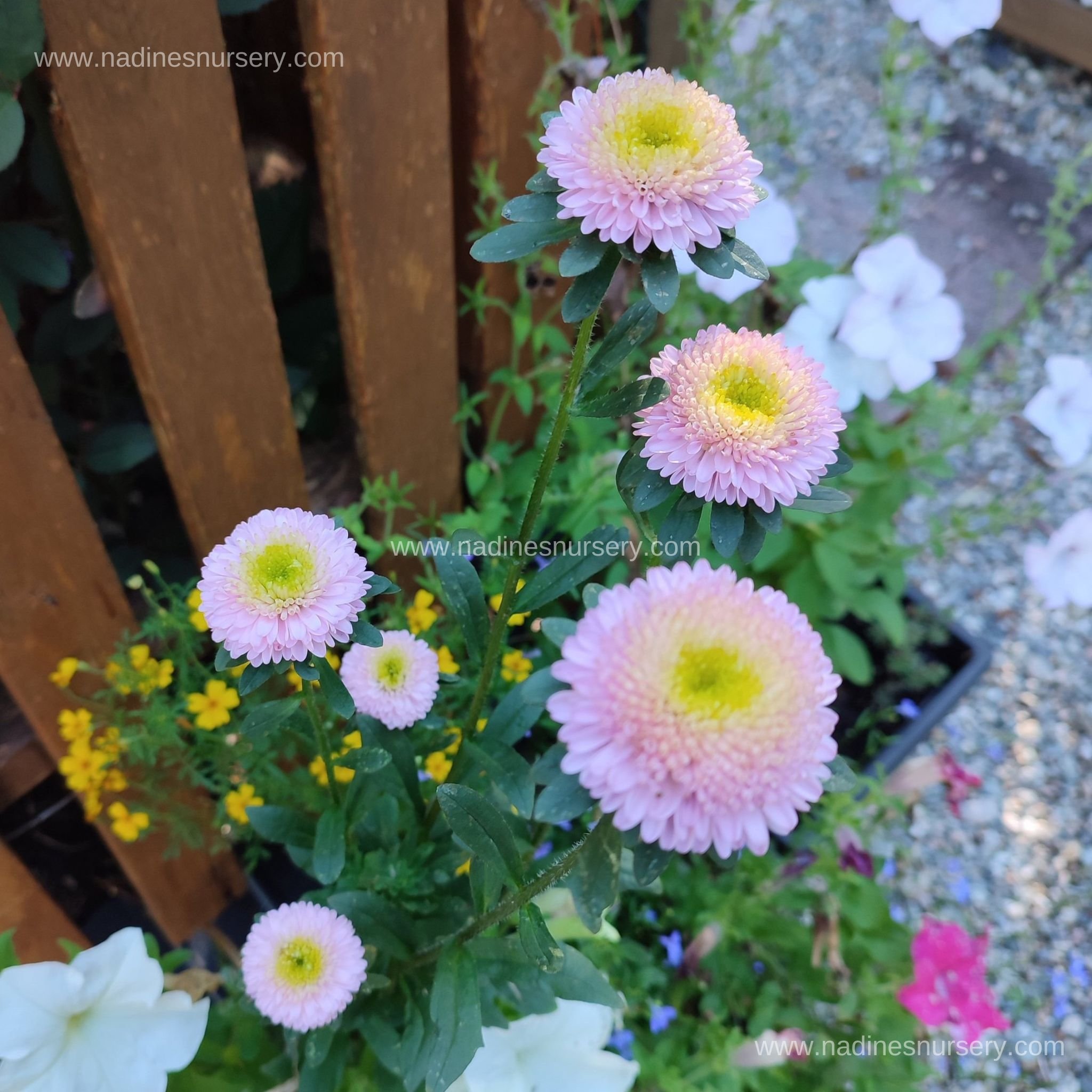
Annual. A light pink variety with glowing, golden-peach centers. These 1.5-2.5” flowers will provide a burst of late season colour, both in the garden and in the vase. Vigorous plants are densely branched, providing an abundance of blooms. Plant in average to rich soil, and fertilize monthly for largest blooms
Location: Mid-border, Mixed container, Cut flower garden
Bloom Period: August to October
Height: 32-36”
Plant Spacing: 6-8”

Perennial. A pollinator magnet, once ‘Salvatore Blue’ springs into bloom, you’ll be amazed at the number of bees and butterflies hovering around these spectacular, violet-blue blossoms. They are also highly attractive to hummingbirds, and make excellent cut flowers. Compact, low-branching plants are long-blooming, easy to grow, and both heat and drought tolerant. Plant in rich, moist, well-draining soil.
Location: Landscape planting, Sunny border, Cottage garden
Bloom Period: June to August
Height: 12-16”
Plant Spacing: 12-16"

Annual. An excellent dwarf variety for flowers beds, containers or to edge a vegetable garden. Large, 3” blooms are in warm shades of orange to pastel cream, and hold up very well in heat and drought.
Calendula are a terrific vegetable companion, as they attract pollinators and repel harmful nematodes in the soil. Their flowers are edible and dried petals can be used in place of saffron, as a garnish, or to make a delightful tea. They are very easy to grow, requiring minimal watering and feeding. Plant in poor to average, well-draining soil and deadhead occasionally for increased blooms.
Location: Front of border, Mixed container, Vegetable garden
Bloom Period: June/July to September
Height: 12-14”
Plant Spacing: 6-12”