
 Image 1 of 2
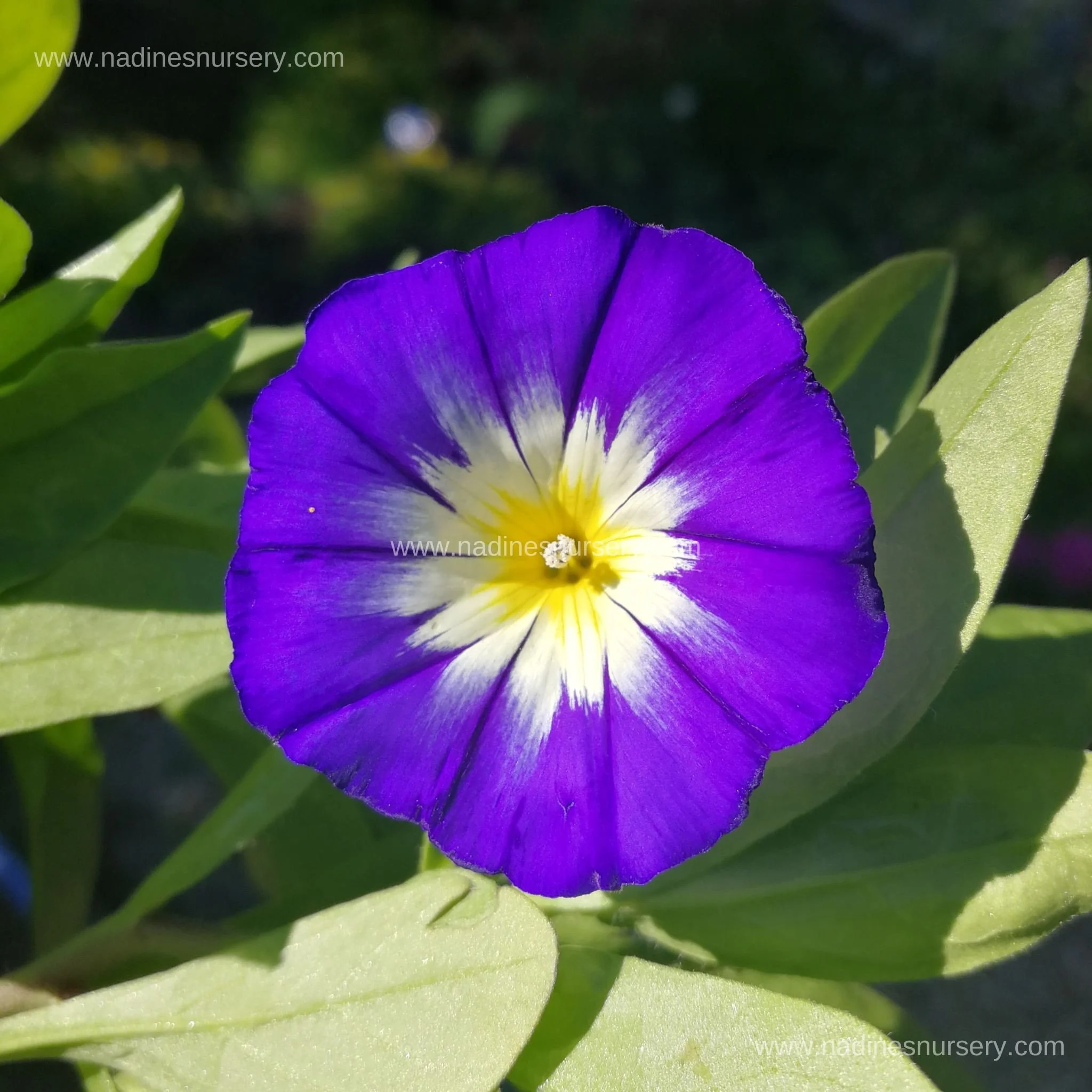 Image 2 of 2
Companion Plants
Fill a flower bed or mixed container with cheerful colour:

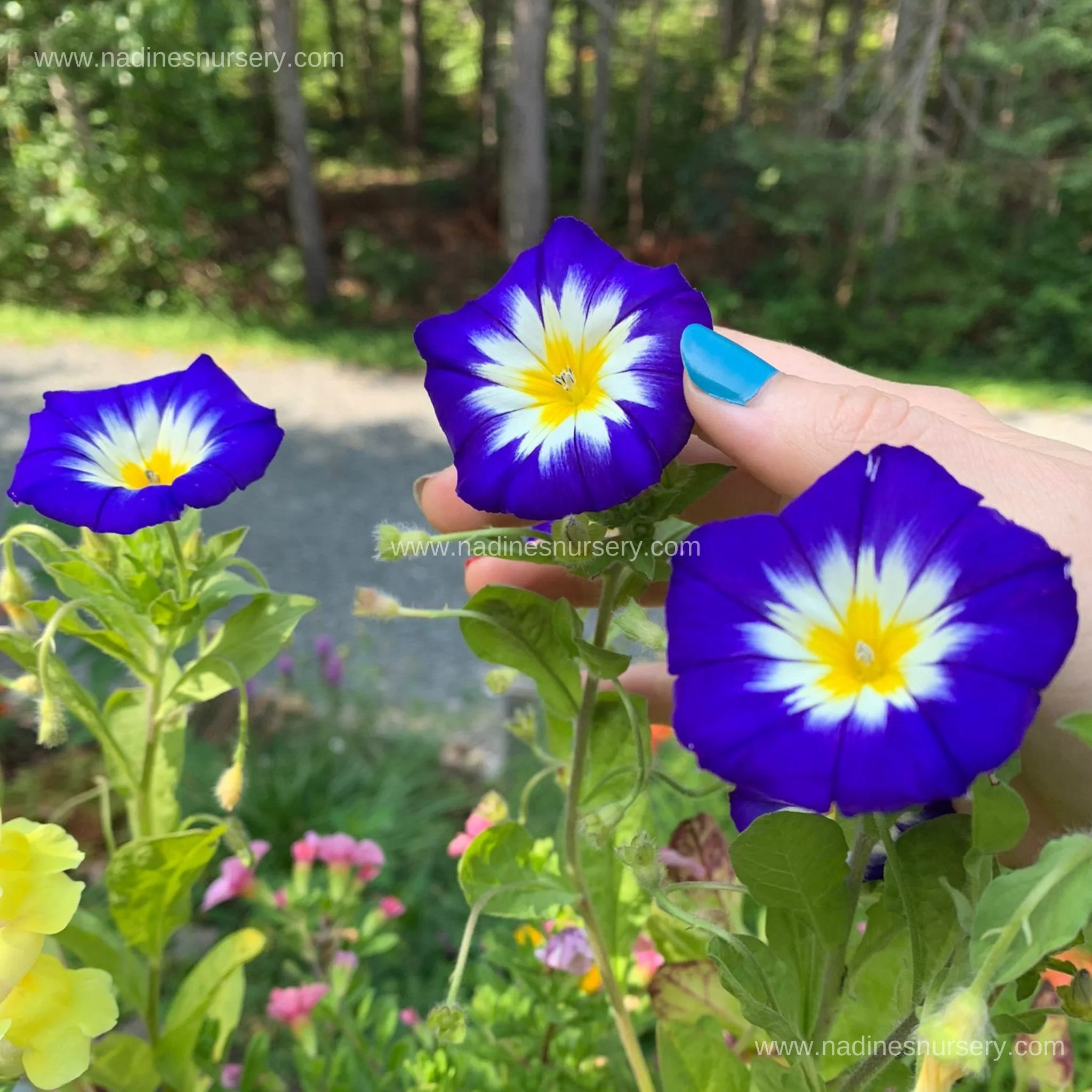
Annual. Flamboyant pigments and vivid veins add a thrilling element to any border or container. Group multiple plants together and watch each open to reveal a unique kaleidoscope of colours.
An old-fashioned flower, Painted Tongues are one of modern gardening’s best-kept secrets. Underappreciated and overlooked for far too long in favour of their more popular cousin, the petunia, once you discover these mesmerizing blooms you’ll never be want to be without them again! A Chilean native, their upright growth habit and large, trumpet flowers makes them a striking feature in borders and containers. Low-growing annuals make excellent companions to both cool their roots and surround their rather untidy feet. Plants benefit from staking. Deadheading spent blooms will ensure highest flower production. They do not like hot, dry conditions, making them ideal for our cool summers on the maritime coast. Plant in fertile, well-draining soil and fertilize every two weeks.
Location: Mid-border, Mixed container, Cut flower garden
Bloom Period: June to September
Height: 2-3’
Plant Spacing: 12”

Annual. Clusters of dainty flowers in rich caramel tones and a cherry-red center create an antique appearance that will lend a romantic touch to any corner of the garden. Easy to grow, quick to bloom and an abundant producer, this is a must-have for floral arrangements and spell-binding borders.
Phlox are attractive to butterflies, wonderfully fragrant, heat resistant, and make excellent cut flowers. Plant in rich, fertile soil with moderate moisture. They will benefit from monthly feeding.
Location: Sunny border, Mixed container, Cut flower garden
Bloom Period: June to September
Height: 16-20”
Plant Spacing: 8-12”

Annual. Soft, feathery foliage forms in neat, silver mounds. Dusty Milller is favoured for its ability to blend effortlessly into any colour scheme, easily complementing warm, cool, or pastel toned annuals and perennials. The effect is particularly striking with purple and blue shades. Silver leaves also provide an interesting contrast to the green leaves of other bedding plants. They are easy to grow, being both heat and drought tolerant. Plant in average, well-draining soil, and feed occasionally throughout the summer.
Location: Front of border, Mixed container, Landscape planting
Height: 12”
Plant Spacing: 8-10”